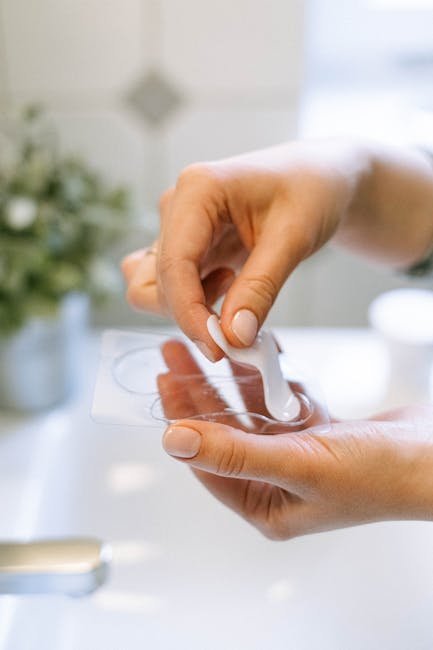
Hydration: The Foundation of Radiant Skin
Dehydration is a silent saboteur of glowing skin. Water is the lifeblood of every cell in our body, and when we’re lacking it, our skin suffers visibly. Think of a wilted plant versus a thriving one; the difference is often adequate hydration.
-
Internal Hydration: Aim for at least eight glasses of water daily. Increase intake if you’re exercising, in hot weather, or consuming dehydrating beverages like coffee or alcohol. Consider infusing water with fruits and herbs like cucumber, lemon, or mint for enhanced flavor and added nutrients. Carry a reusable water bottle as a constant reminder to hydrate throughout the day. Herbal teas, especially those without caffeine, can also contribute to your daily fluid intake. Monitor your urine color; light yellow indicates adequate hydration, while dark yellow suggests dehydration.
-
External Hydration: Moisturizers are crucial, but their effectiveness depends on the ingredients. Look for humectants like hyaluronic acid and glycerin, which draw moisture from the air into your skin. Emollients like shea butter and ceramides help to lock in that moisture and strengthen the skin barrier. Choose a moisturizer formulated for your skin type (oily, dry, combination, sensitive). Apply moisturizer immediately after showering or bathing to trap moisture while your skin is still damp. Consider using a hydrating serum underneath your moisturizer for an added boost.
Nourishment From Within: A Skin-Boosting Diet
What you eat significantly impacts your skin’s health and radiance. A balanced diet rich in vitamins, minerals, and antioxidants provides the building blocks for healthy skin cells.
-
Antioxidant Powerhouses: Combat free radical damage with antioxidant-rich foods. Berries (blueberries, strawberries, raspberries) are packed with antioxidants like vitamin C and anthocyanins. Leafy green vegetables (spinach, kale, collard greens) contain vitamins A, C, and E, as well as other beneficial compounds. Nuts and seeds (almonds, walnuts, flaxseeds, chia seeds) provide vitamin E and essential fatty acids. Orange and yellow fruits and vegetables (carrots, sweet potatoes, bell peppers) are rich in beta-carotene, which converts to vitamin A in the body.
-
Healthy Fats: Essential fatty acids are vital for maintaining the skin’s barrier function and preventing dryness. Include sources like avocados, salmon, olive oil, and nuts in your diet. Omega-3 fatty acids, found in fatty fish and flaxseeds, have anti-inflammatory properties that can help with conditions like acne and eczema.
-
Collagen-Boosting Foods: Collagen is a protein that provides structure and elasticity to the skin. As we age, collagen production declines, leading to wrinkles and sagging. Support collagen synthesis by consuming foods rich in vitamin C, such as citrus fruits, bell peppers, and broccoli. Protein is also essential for collagen production; include lean sources like chicken, fish, beans, and lentils in your diet.
-
Foods to Limit: Processed foods, sugary drinks, and refined carbohydrates can contribute to inflammation and skin problems. Limit your intake of these items and focus on whole, unprocessed foods. Dairy can be problematic for some individuals and contribute to acne breakouts; experiment to see if reducing dairy intake improves your skin.
Gentle Exfoliation: Unveiling a Brighter Complexion
Exfoliation removes dead skin cells from the surface of the skin, revealing a brighter and smoother complexion. It also helps to unclog pores and improve the absorption of skincare products.
-
Physical Exfoliation: This involves using a physical scrub to manually remove dead skin cells. Options include sugar scrubs, salt scrubs, and exfoliating brushes or sponges. Be gentle and avoid harsh scrubbing, which can irritate the skin. Use circular motions and rinse thoroughly. Limit physical exfoliation to once or twice per week.
-
Chemical Exfoliation: This involves using acids to dissolve the bonds between dead skin cells. Alpha hydroxy acids (AHAs) like glycolic acid and lactic acid are effective for improving skin texture and tone. Beta hydroxy acids (BHAs) like salicylic acid are oil-soluble and can penetrate pores, making them ideal for treating acne. Start with a low concentration and gradually increase as tolerated. Use chemical exfoliants at night and always wear sunscreen during the day.
-
Enzymatic Exfoliation: Enzyme peels use natural enzymes from fruits like papaya and pineapple to gently exfoliate the skin. These are a milder option than AHAs and BHAs and are suitable for sensitive skin.
Sun Protection: Shielding Your Skin From Damage
Sun exposure is the leading cause of premature aging and skin damage. Protecting your skin from the sun is crucial for maintaining a youthful and radiant complexion.
-
Broad-Spectrum Sunscreen: Use a broad-spectrum sunscreen with an SPF of 30 or higher daily, even on cloudy days. Broad-spectrum means that the sunscreen protects against both UVA and UVB rays.
-
Application Technique: Apply sunscreen liberally and evenly to all exposed skin, including your face, neck, ears, and hands. Reapply every two hours, or more frequently if you’re swimming or sweating.
-
Protective Clothing: Wear protective clothing, such as long sleeves, pants, and a wide-brimmed hat, when spending time outdoors.
-
Seek Shade: Seek shade during peak sun hours (typically between 10 am and 4 pm).
Stress Management: Calming the Mind, Calming the Skin
Stress can wreak havoc on your skin, leading to breakouts, inflammation, and a dull complexion. Managing stress is essential for maintaining healthy and radiant skin.
-
Mindfulness and Meditation: Practice mindfulness and meditation techniques to reduce stress and promote relaxation. Even a few minutes of daily meditation can make a difference.
-
Exercise: Regular exercise is a great way to relieve stress and improve circulation. Aim for at least 30 minutes of moderate-intensity exercise most days of the week.
-
Sleep: Get adequate sleep (7-8 hours per night) to allow your skin to repair and regenerate. Lack of sleep can lead to dark circles under the eyes and a dull complexion.
-
Hobbies: Engage in hobbies that you enjoy to reduce stress and boost your mood.
Targeted Treatments: Addressing Specific Skin Concerns
Once you have a solid foundation of hydration, nutrition, exfoliation, sun protection, and stress management, you can incorporate targeted treatments to address specific skin concerns.
-
Acne: Use products containing salicylic acid, benzoyl peroxide, or retinoids to treat acne. Consider consulting a dermatologist for prescription-strength treatments.
-
Hyperpigmentation: Use products containing vitamin C, niacinamide, or retinoids to lighten dark spots and even out skin tone.
-
Fine Lines and Wrinkles: Use products containing retinoids, peptides, or hyaluronic acid to reduce the appearance of fine lines and wrinkles.
-
Dryness: Use rich moisturizers and facial oils to hydrate dry skin.
-
Redness: Use products containing soothing ingredients like chamomile, aloe vera, or centella asiatica to calm redness and inflammation.
Consistency is Key
Achieving glowing skin is a journey, not a destination. Consistency is key. Stick to your skincare routine and healthy lifestyle habits, and you’ll see gradual but noticeable improvements in your skin’s radiance and overall health. Be patient and celebrate your progress along the way. Remember that everyone’s skin is different, so it may take some experimentation to find what works best for you. Consult a dermatologist or esthetician for personalized advice and recommendations.