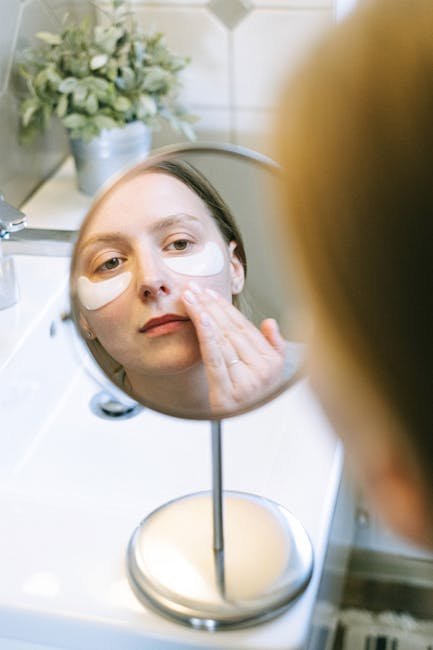
Beginner’s Bliss: A Simple Morning Skincare Routine
The quest for radiant skin doesn’t require a cabinet overflowing with products or an hour-long ritual. In fact, a simple, consistent morning skincare routine is often the most effective way to achieve a healthy, glowing complexion. This guide breaks down a beginner-friendly routine, focusing on essential steps and product recommendations to help you start your day with confidence.
Step 1: Gentle Cleansing (The Wake-Up Call)
Even if you cleansed the night before, your skin accumulates oil, sweat, and potential residue from overnight products. Cleansing in the morning removes these impurities, creating a clean canvas for the rest of your routine.
-
Why it’s crucial: Neglecting morning cleansing can lead to clogged pores, breakouts, and a dull appearance. Buildup on the skin also hinders the absorption of subsequent skincare products.
-
Choosing the right cleanser: Opt for a gentle, hydrating cleanser. Harsh cleansers can strip your skin of its natural oils, leading to dryness, irritation, and even increased oil production as your skin tries to compensate.
-
Ingredients to look for: Ceramides, hyaluronic acid, glycerin, and aloe vera are all excellent hydrating and soothing ingredients. Avoid cleansers containing sulfates (SLS/SLES), alcohol, and strong fragrances, as these can be irritating.
-
Application technique: Wet your face with lukewarm water (hot water can be drying). Apply a small amount of cleanser to your fingertips and gently massage it onto your face in circular motions for 30-60 seconds. Rinse thoroughly with lukewarm water and pat dry with a soft towel. Avoid rubbing your face vigorously.
-
Product recommendations:
- CeraVe Hydrating Facial Cleanser: A classic, affordable option that’s suitable for most skin types. It’s formulated with ceramides and hyaluronic acid to hydrate and protect the skin barrier.
- La Roche-Posay Toleriane Hydrating Gentle Cleanser: A gentle, milky cleanser that’s ideal for sensitive skin. It’s fragrance-free, non-comedogenic, and helps to remove impurities without stripping the skin.
- Cetaphil Gentle Skin Cleanser: Another dermatologist-recommended option that’s extremely mild and effective at removing dirt and oil. It’s suitable for all skin types, including those with eczema or rosacea.
Step 2: Toning (Balancing Act)
Toners have evolved beyond their reputation as harsh, alcohol-based astringents. Modern toners are designed to balance the skin’s pH level, hydrate, and prepare the skin for better absorption of serums and moisturizers.
-
Why it’s beneficial: After cleansing, your skin’s pH level can be slightly disrupted. A toner helps to restore the balance, allowing subsequent products to work more effectively. Toners can also provide a boost of hydration and address specific skin concerns, such as acne or redness.
-
Choosing the right toner: Consider your skin type and concerns. If you have dry skin, look for a hydrating toner with ingredients like hyaluronic acid, glycerin, or rosewater. If you have oily or acne-prone skin, look for a toner with ingredients like salicylic acid or tea tree oil (but use with caution and start slowly to avoid irritation). Avoid toners that contain alcohol, as they can be drying and irritating.
-
Ingredients to look for: Hyaluronic acid, rosewater, glycerin (for hydration); salicylic acid, glycolic acid (for exfoliation and acne); green tea, chamomile (for soothing and antioxidant benefits); niacinamide (for brightening and reducing pore size).
-
Application technique: After cleansing, apply a small amount of toner to a cotton pad or your fingertips. Gently swipe or pat it onto your face and neck, avoiding the eye area. Allow the toner to dry completely before moving on to the next step.
-
Product recommendations:
- Thayers Alcohol-Free Witch Hazel Toner: A classic, affordable option that’s available in various formulations, including rose petal and cucumber. It’s gentle, hydrating, and helps to balance the skin’s pH level. (Note: Witch Hazel can be drying for some, so monitor skin carefully).
- Kiehl’s Calendula Herbal Extract Alcohol-Free Toner: A soothing and hydrating toner that’s ideal for sensitive skin. It’s formulated with calendula petals and allantoin to calm and soothe irritated skin.
- Paula’s Choice Skin Recovery Enriched Calming Toner: A rich, hydrating toner that’s formulated with antioxidants and plant extracts to soothe and protect the skin. It’s ideal for dry or sensitive skin.
Step 3: Serum Application (Targeted Treatment)
Serums are concentrated treatments that deliver powerful ingredients directly to the skin. They are designed to address specific skin concerns, such as wrinkles, hyperpigmentation, acne, or dryness.
-
Why it’s essential: Serums contain a higher concentration of active ingredients than moisturizers, allowing them to penetrate deeper into the skin and deliver more targeted results.
-
Choosing the right serum: Consider your primary skin concerns.
- Hyaluronic acid serum: Hydrates and plumps the skin, reducing the appearance of fine lines and wrinkles.
- Vitamin C serum: Brightens the skin, evens out skin tone, and protects against free radical damage.
- Niacinamide serum: Reduces pore size, controls oil production, and improves skin tone and texture.
- Retinol serum (use with caution and consult a dermatologist before starting): Reduces wrinkles, improves skin texture, and treats acne. (Note: Retinol is generally used at night due to its photosensitivity.)
-
Ingredients to look for: The ingredients will vary depending on the type of serum you choose. Look for serums with a high concentration of active ingredients and minimal fillers or fragrances.
-
Application technique: Apply a few drops of serum to your fingertips and gently pat it onto your face and neck. Allow the serum to absorb completely before moving on to the next step. Avoid rubbing the serum into your skin, as this can irritate it.
-
Product recommendations:
- The Ordinary Hyaluronic Acid 2% + B5: An affordable and effective hyaluronic acid serum that provides intense hydration.
- Timeless Skin Care 20% Vitamin C + E Ferulic Acid Serum: A potent vitamin C serum that brightens the skin and protects against free radical damage.
- Paula’s Choice 10% Niacinamide Booster: A concentrated niacinamide serum that reduces pore size, controls oil production, and improves skin tone and texture.
Step 4: Moisturizing (Hydration Station)
Moisturizing is a crucial step in any skincare routine, as it helps to hydrate the skin, protect the skin barrier, and prevent moisture loss.
-
Why it’s non-negotiable: Even if you have oily skin, you still need to moisturize. Dehydrated skin can overproduce oil, leading to breakouts. Moisturizers create a protective barrier that helps to lock in hydration and prevent environmental damage.
-
Choosing the right moisturizer: Consider your skin type. If you have dry skin, look for a rich, creamy moisturizer with ingredients like ceramides, hyaluronic acid, and shea butter. If you have oily skin, look for a lightweight, oil-free moisturizer with ingredients like hyaluronic acid and glycerin.
-
Ingredients to look for: Ceramides, hyaluronic acid, glycerin, shea butter, squalane (for dry skin); hyaluronic acid, glycerin, aloe vera, green tea (for oily skin).
-
Application technique: Apply a generous amount of moisturizer to your face and neck, using upward strokes. Gently massage the moisturizer into your skin until it is fully absorbed.
-
Product recommendations:
- CeraVe Moisturizing Cream: A rich, hydrating cream that’s ideal for dry skin. It’s formulated with ceramides and hyaluronic acid to hydrate and protect the skin barrier.
- Neutrogena Hydro Boost Water Gel: A lightweight, oil-free gel moisturizer that provides intense hydration without clogging pores. It’s ideal for oily or combination skin.
- La Roche-Posay Toleriane Double Repair Face Moisturizer UV: A lightweight moisturizer that provides hydration and broad-spectrum SPF 30 protection. It’s suitable for sensitive skin.
Step 5: Sun Protection (The Daily Shield)
Sunscreen is the most important step in any skincare routine, as it protects your skin from the harmful effects of the sun, including premature aging, sun damage, and skin cancer.
-
Why it’s paramount: UV radiation is the leading cause of premature aging and skin cancer. Wearing sunscreen daily, even on cloudy days, is essential for protecting your skin.
-
Choosing the right sunscreen: Look for a broad-spectrum sunscreen with an SPF of 30 or higher. Choose a sunscreen that is formulated for your skin type. If you have oily skin, look for an oil-free or gel sunscreen. If you have dry skin, look for a moisturizing sunscreen.
-
Ingredients to look for: Zinc oxide, titanium dioxide (mineral sunscreens); avobenzone, oxybenzone (chemical sunscreens). Look for a sunscreen that is non-comedogenic and fragrance-free.
-
Application technique: Apply a generous amount of sunscreen to your face and neck, at least 15 minutes before sun exposure. Reapply sunscreen every two hours, or more often if you are swimming or sweating.
-
Product recommendations:
- EltaMD UV Clear Broad-Spectrum SPF 46: A lightweight, oil-free sunscreen that’s ideal for sensitive and acne-prone skin.
- La Roche-Posay Anthelios Melt-In Sunscreen Milk SPF 60: A lightweight, moisturizing sunscreen that’s suitable for all skin types.
- Supergoop! Unseen Sunscreen SPF 40: A clear, weightless sunscreen that’s ideal for wearing under makeup.
By diligently following these five simple steps each morning, you’ll establish a solid foundation for healthy, radiant skin and enjoy the beginner’s bliss of a consistent and effective skincare routine. Remember to adjust the products to suit your individual skin needs and consult a dermatologist for personalized recommendations.