Here’s an article on creating a polished and professional natural makeup look for work, targeting the specified criteria:
Natural Makeup Look for Work: Polished and Professional
Understanding the Power of Subtlety in the Workplace
In a professional setting, your appearance speaks volumes. While creative self-expression is valuable, workplace makeup often demands a more refined and understated approach. A natural makeup look for work isn’t about concealing your features; it’s about enhancing them subtly, projecting confidence, competence, and attention to detail. The goal is to look polished and put-together without appearing overly made-up or distracting. This involves choosing the right products, mastering application techniques, and understanding the nuances of light and shadow. This article delves into each step, providing practical tips and product recommendations to help you achieve the perfect natural makeup look for the office.
Skincare: The Foundation of Any Great Makeup
Flawless makeup begins with healthy, well-cared-for skin. A consistent skincare routine is crucial for achieving a natural, radiant base. This routine should include:
- Cleansing: Start with a gentle cleanser appropriate for your skin type (dry, oily, combination, or sensitive). Cleanse morning and night to remove dirt, oil, and makeup residue. Look for cleansers that are sulfate-free and pH-balanced to avoid stripping the skin of its natural oils.
- Exfoliation: Exfoliate 1-2 times per week to remove dead skin cells, promoting cell turnover and revealing brighter skin. Chemical exfoliants (AHAs/BHAs) or gentle physical exfoliants (scrubs with fine particles) are good options. Avoid harsh scrubs that can irritate the skin.
- Toning: Use a toner to balance your skin’s pH and prepare it for better absorption of serums and moisturizers. Look for toners with ingredients like hyaluronic acid or rosewater for added hydration.
- Serum: Incorporate a serum with targeted ingredients to address specific skin concerns, such as vitamin C for brightening, hyaluronic acid for hydration, or retinol for anti-aging (use retinol at night and always wear sunscreen during the day).
- Moisturizing: Hydrate your skin with a moisturizer suitable for your skin type. Oily skin needs a lightweight, oil-free moisturizer, while dry skin benefits from a richer, more emollient formula.
- Sunscreen: This is non-negotiable. Apply a broad-spectrum sunscreen with an SPF of 30 or higher every morning, even on cloudy days. Sunscreen protects your skin from premature aging and skin cancer.
Creating a Flawless Base: Less is More
The key to a natural makeup look is to use minimal product and focus on even skin tone and a healthy glow.
- Primer: Apply a thin layer of primer to create a smooth canvas for your makeup and help it last longer. Choose a primer that addresses your skin concerns, such as pore-minimizing, hydrating, or mattifying.
- Concealer: Use concealer sparingly to target specific areas, such as under-eye circles, blemishes, or redness. Opt for a concealer that is one shade lighter than your skin tone for brightening. Apply with a small brush or your fingertip and blend seamlessly into the skin.
- Foundation/BB Cream/Tinted Moisturizer: Choose a lightweight foundation, BB cream, or tinted moisturizer that provides light to medium coverage. Apply a thin layer using a damp beauty sponge or foundation brush, focusing on areas that need the most coverage. Build up coverage as needed, but avoid applying too much product. Aim for a natural skin-like finish. Consider spot concealing instead of applying foundation all over.
- Setting Powder: Use a translucent setting powder to set your makeup and control shine. Apply a light dusting of powder to your T-zone (forehead, nose, and chin) or any other areas that tend to get oily. Use a large, fluffy brush to avoid applying too much powder.
Eyes: Subtle Definition and Enhancement
The eyes are the focal point of the face, but for a natural work look, subtlety is key.
- Eyeshadow: Choose neutral eyeshadow shades that complement your skin tone, such as matte browns, taupes, and creams. Apply a light shade all over the lid, a slightly darker shade in the crease for definition, and a highlight shade under the brow bone. Blend well to create a seamless transition between the shades.
- Eyeliner: If you choose to wear eyeliner, opt for a brown or dark brown pencil or gel liner. Apply a thin line along the upper lash line, as close to the lashes as possible. Smudge the line slightly for a softer look. Avoid harsh black liquid liner, which can be too dramatic for the office.
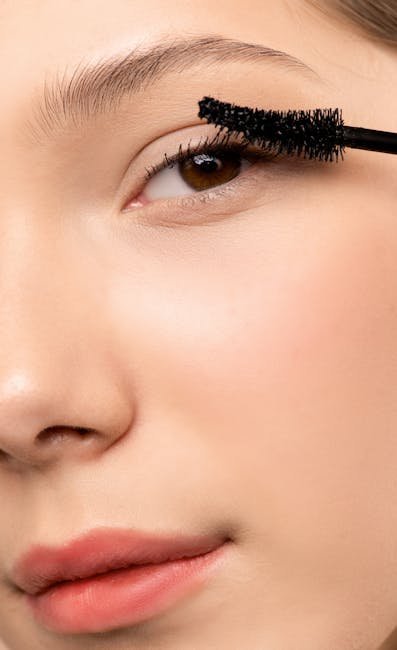
- Mascara: Apply one or two coats of mascara to your upper lashes. Choose a lengthening and defining mascara rather than a volumizing formula. Avoid clumping. Brown mascara can also create a softer, more natural look. Curl your lashes before applying mascara for added lift.
- Eyebrows: Well-groomed eyebrows frame the face. Fill in sparse areas with an eyebrow pencil, powder, or gel that matches your natural brow color. Use light, feathery strokes to mimic the look of natural hairs. Set your brows with a brow gel to keep them in place all day.
Cheeks: A Healthy Flush of Color
Adding a touch of color to your cheeks will instantly brighten your complexion.
- Blush: Choose a natural-looking blush shade that complements your skin tone, such as peach, pink, or berry. Apply blush to the apples of your cheeks and blend outwards towards your temples. Use a light hand to avoid applying too much blush. Cream blushes can provide a more natural, dewy finish.
- Bronzer: Use a matte bronzer to add warmth and definition to your face. Apply bronzer to the hollows of your cheeks, along your hairline, and along your jawline. Blend well to avoid harsh lines.
- Highlighter: Apply a subtle highlighter to the high points of your face, such as your cheekbones, brow bone, and the bridge of your nose. Choose a highlighter with a natural sheen rather than glitter. Avoid over-highlighting, which can look unnatural.
Lips: Hydration and a Hint of Color
Keep your lips hydrated and add a touch of color with a lip balm, tinted lip balm, or nude lipstick.
- Lip Balm/Tinted Lip Balm: Apply a hydrating lip balm or tinted lip balm to keep your lips moisturized and add a subtle wash of color.
- Nude Lipstick/Lip Gloss: Choose a nude lipstick or lip gloss that complements your skin tone. Apply a thin layer of lipstick or gloss to your lips. Blot with a tissue to remove excess product. Avoid overly glossy or shimmery lip products. Lip stains are also a great option for long-lasting, natural-looking color.
The Importance of Lighting and Application Tools
- Lighting: Apply your makeup in natural light whenever possible. If natural light is not available, use a well-lit vanity mirror with adjustable lighting. Avoid applying makeup in dimly lit areas, as this can lead to over-application.
- Application Tools: Invest in high-quality makeup brushes and sponges for seamless application. Clean your brushes regularly to prevent bacteria buildup. Use the right brush for each product to achieve the desired effect.
Setting Your Makeup and Maintaining Your Look Throughout the Day
- Setting Spray: Use a setting spray to lock your makeup in place and prevent it from fading or smudging throughout the day. Choose a setting spray that is appropriate for your skin type.
- Touch-Ups: Carry blotting papers to absorb excess oil and keep your skin looking fresh throughout the day. Touch up your lipstick or lip gloss as needed.
By following these tips and customizing your routine to suit your individual needs and preferences, you can achieve a polished and professional natural makeup look that will help you feel confident and ready to take on the workday. Remember, the key is to enhance your natural features subtly and create a look that is both professional and flattering.