Gentle Care: The Ideal Skincare Routine for Sensitive Skin
Navigating the world of skincare can feel like traversing a minefield when you have sensitive skin. Redness, itching, burning, and dryness are common complaints, often triggered by ingredients that wouldn’t bother other skin types. Crafting a gentle, effective skincare routine is paramount to maintaining healthy, comfortable skin. This article will delve into the specific needs of sensitive skin and provide a comprehensive guide to building a personalized skincare regimen.
Understanding Sensitive Skin: Beyond the Surface
Sensitive skin isn’t a specific skin type like oily or dry; it’s a condition characterized by heightened reactivity. This sensitivity often stems from a compromised skin barrier. The skin barrier, composed of lipids and proteins, acts as a protective shield against irritants, allergens, and bacteria. When weakened, these external aggressors can easily penetrate the skin, triggering inflammation and discomfort.
Several factors can contribute to sensitive skin:
- Genetics: Predisposition to conditions like eczema, rosacea, and allergies can increase skin sensitivity.
- Environmental Factors: Harsh weather, pollution, and sun exposure can damage the skin barrier.
- Irritating Ingredients: Fragrances, dyes, alcohol, and harsh surfactants are common culprits.
- Underlying Skin Conditions: Eczema, rosacea, psoriasis, and allergic contact dermatitis can all manifest as sensitive skin.
- Over-Exfoliation: Excessive exfoliation can strip the skin of its natural oils and weaken the barrier.
- Stress and Hormonal Changes: These internal factors can also influence skin sensitivity.
Recognizing the potential triggers for your sensitive skin is the first step towards building an effective skincare routine. Keeping a journal of products used and any resulting reactions can be invaluable in identifying irritants.
The Core Components of a Gentle Skincare Routine:
A successful routine for sensitive skin prioritizes gentle cleansing, hydration, and protection. Here’s a breakdown of the essential steps:
1. Cleansing: The Foundation of Calm
Choosing the right cleanser is crucial for sensitive skin. Harsh cleansers can strip the skin of its natural oils, further compromising the barrier and exacerbating sensitivity.
- Look for:
- Creamy or Milky Textures: These formulations are typically more hydrating and less likely to irritate.
- Soap-Free Formulas: Traditional soaps often have a high pH, which can disrupt the skin’s natural pH balance.
- Sulfate-Free Cleansers: Sulfates, like sodium lauryl sulfate (SLS) and sodium laureth sulfate (SLES), are harsh detergents that can strip the skin.
- Ingredients like: Ceramides, glycerin, hyaluronic acid, and allantoin. These ingredients help to hydrate, soothe, and protect the skin barrier.
- Avoid:
- Foaming Cleansers: While popular, many foaming cleansers contain harsh sulfates.
- Fragrances and Dyes: These are common irritants for sensitive skin.
- Alcohol: Alcohol can be drying and irritating.
- Exfoliating Acids: Avoid cleansers containing AHAs (alpha hydroxy acids) or BHAs (beta hydroxy acids) unless specifically formulated for sensitive skin and used sparingly.
Cleansing Technique:
- Use lukewarm water, as hot water can be drying.
- Gently massage the cleanser onto damp skin using your fingertips. Avoid scrubbing.
- Rinse thoroughly with lukewarm water.
- Pat your skin dry with a soft towel. Avoid rubbing.
2. Toning: Optional but Potentially Beneficial
Toners are designed to balance the skin’s pH after cleansing and prepare it for subsequent products. However, many toners contain alcohol and other potentially irritating ingredients.
- If you choose to use a toner, look for:
- Alcohol-Free Formulas: This is non-negotiable for sensitive skin.
- Hydrating Ingredients: Look for ingredients like hyaluronic acid, glycerin, and aloe vera.
- Soothing Ingredients: Chamomile, calendula, and green tea extract can help to calm irritated skin.
- Consider Hydrosols: These are floral waters that are often gentler than traditional toners. Rosewater, lavender water, and chamomile water are popular choices.
Application:
- Apply the toner to a cotton pad and gently sweep it across your face. Avoid the eye area.
- Alternatively, you can spray the toner directly onto your face.
3. Serums: Concentrated Care
Serums are potent treatments that deliver high concentrations of active ingredients to the skin. For sensitive skin, choose serums that focus on hydration, barrier repair, and soothing.
-
Beneficial Serum Ingredients:
- Hyaluronic Acid: A powerful humectant that attracts and retains moisture.
- Ceramides: Lipids that help to repair and strengthen the skin barrier.
- Niacinamide (Vitamin B3): Reduces redness, inflammation, and improves skin barrier function. Start with a low concentration (2-5%) and gradually increase as tolerated.
- Panthenol (Vitamin B5): A soothing and hydrating ingredient that promotes wound healing.
- Antioxidants: Vitamin C (in a gentle form like Magnesium Ascorbyl Phosphate), Vitamin E, and green tea extract protect the skin from free radical damage.
-
Ingredients to Approach with Caution:
- Retinoids (Vitamin A): While effective for anti-aging, retinoids can be very irritating for sensitive skin. If you choose to use a retinoid, start with a very low concentration (0.01-0.03%) and use it only once or twice a week. Consider “buffering” by applying a moisturizer before and after applying the retinoid.
- AHAs/BHAs: Exfoliating acids can be too harsh for sensitive skin. If you choose to use them, opt for a very gentle formulation and use it sparingly.
- High Concentrations of Vitamin C: L-Ascorbic Acid can be irritating to sensitive skin.
Application:
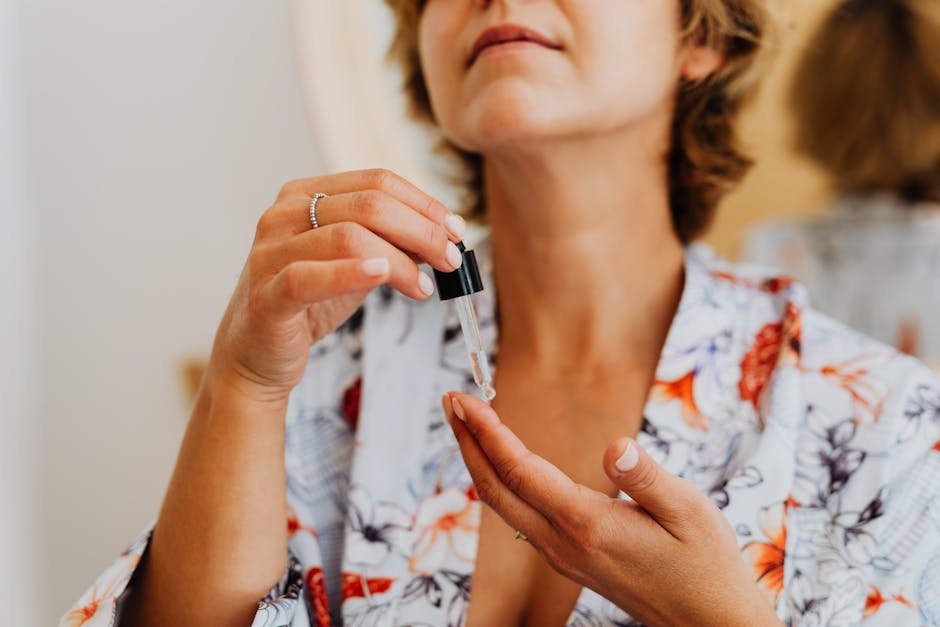
- Apply a few drops of serum to your fingertips and gently pat it onto your face and neck.
- Allow the serum to absorb completely before applying the next product.
4. Moisturizing: Hydration is Key
Moisturizing is essential for maintaining a healthy skin barrier and preventing dryness.
- Look for Moisturizers that are:
- Fragrance-Free and Dye-Free: Minimize potential irritants.
- Rich in Emollients and Humectants: Emollients like shea butter, squalane, and jojoba oil help to soften and smooth the skin. Humectants like hyaluronic acid and glycerin draw moisture to the skin.
- Contain Ceramides and other Barrier-Repairing Ingredients: These help to rebuild and strengthen the skin barrier.
- Avoid:
- Heavy Oils: While beneficial for some, heavy oils like coconut oil can be comedogenic (pore-clogging) for some individuals with sensitive skin.
- Alcohol: Avoid moisturizers that contain alcohol.
Application:
- Apply a generous amount of moisturizer to your face and neck after cleansing and applying serum.
- Use upward, circular motions to gently massage the moisturizer into your skin.
- Apply moisturizer twice a day, or more often if needed.
5. Sunscreen: The Ultimate Protector
Sunscreen is crucial for protecting sensitive skin from sun damage, which can further compromise the skin barrier and exacerbate sensitivity.
- Choose a Mineral Sunscreen: Mineral sunscreens containing zinc oxide or titanium dioxide are generally considered to be gentler than chemical sunscreens.
- Look for:
- Broad-Spectrum Protection: Protects against both UVA and UVB rays.
- SPF 30 or Higher: Provides adequate sun protection.
- Fragrance-Free and Dye-Free: Minimize potential irritants.
- Avoid:
- Chemical Sunscreen Ingredients: Oxybenzone and octinoxate are common chemical sunscreen ingredients that can be irritating to sensitive skin.
- Alcohol: Avoid sunscreens that contain alcohol.
Application:
- Apply sunscreen liberally to all exposed skin 15-20 minutes before sun exposure.
- Reapply every two hours, or more often if swimming or sweating.
Additional Tips for Sensitive Skin:
- Patch Test New Products: Before incorporating a new product into your routine, apply a small amount to a discreet area of skin (e.g., behind your ear or on your inner arm) and wait 24-48 hours to see if any irritation occurs.
- Keep Your Routine Simple: Avoid using too many products at once. A minimalist routine is often best for sensitive skin.
- Avoid Over-Exfoliation: Limit exfoliation to once a week or less, and use a very gentle exfoliating method.
- Be Gentle with Your Skin: Avoid scrubbing or rubbing your skin harshly.
- Stay Hydrated: Drinking plenty of water helps to keep your skin hydrated from the inside out.
- Manage Stress: Stress can exacerbate skin sensitivity. Practice relaxation techniques like yoga, meditation, or deep breathing.
- See a Dermatologist: If you’re struggling to manage your sensitive skin, consult a dermatologist for personalized advice and treatment options.
By following these guidelines and tailoring your routine to your specific needs, you can create a gentle and effective skincare regimen that will help to keep your sensitive skin healthy, comfortable, and radiant. Remember consistency and patience are key to achieving long-term results.