Choosing the Right Foundation: A Crucial First Step
For oily skin, foundation is a battlefield. Selecting the wrong formula can lead to midday shine, clogged pores, and an overall greasy appearance. The key is to prioritize oil-free, non-comedogenic, and matte formulas. Ingredients to look for include:
- Silica: This mineral absorbs excess oil and provides a matte finish. Look for it high on the ingredient list.
- Dimethicone: A silicone derivative that creates a smooth, even surface and helps foundation adhere to the skin.
- Water-based formulas: These are generally lighter and less likely to clog pores compared to oil-based options.
- Salicylic acid: Can help to gently exfoliate and prevent breakouts.
Avoid foundations that contain oils, lanolin, or heavy emollients. These ingredients will exacerbate oil production. Powder foundations can be a good option for some, but ensure they aren’t too drying, as overly dry skin can trigger even more oil production in a reactive attempt to hydrate. Experiment with different textures – liquid, powder, mousse – to find what works best for your skin. Sample before you buy, if possible, and wear the foundation for a full day to assess its performance.
The Power of Primer: Creating a Smooth Canvas
Primer is an indispensable step in any oily skin makeup routine. Its purpose is to create a smooth base for foundation, control shine, and extend the wear of your makeup. Look for primers specifically formulated for oily skin, focusing on the following characteristics:
- Mattifying: These primers contain ingredients that absorb oil and create a matte finish.
- Pore-minimizing: Primers can blur the appearance of pores and create a more even skin texture.
- Oil-absorbing: Look for ingredients like charcoal, clay, or silica.
- Long-lasting: A good primer will keep your makeup in place for hours, even in humid conditions.
Apply a thin layer of primer after your moisturizer and before your foundation. Focus on the T-zone (forehead, nose, and chin), which is typically the oiliest area. Allow the primer to set for a minute or two before applying foundation. Avoid using too much primer, as this can actually create a barrier that prevents your skin from breathing, leading to breakouts. Silicone-based primers are popular, but test them to ensure they don’t cause irritation.
Application Techniques: Layering and Lightness
How you apply your makeup is just as important as the products you choose. For oily skin, the goal is to use lightweight layers and avoid heavy application, which can clog pores and lead to a cakey appearance.
- Foundation: Apply foundation with a damp beauty sponge or a stippling brush. These tools allow you to build coverage gradually and avoid applying too much product. Start with a thin layer and build up as needed. Avoid rubbing or dragging the foundation across your skin, as this can disrupt the primer and cause streaks.
- Concealer: Use a lightweight, non-comedogenic concealer to cover blemishes or dark circles. Apply sparingly and blend well with a small brush or your finger.
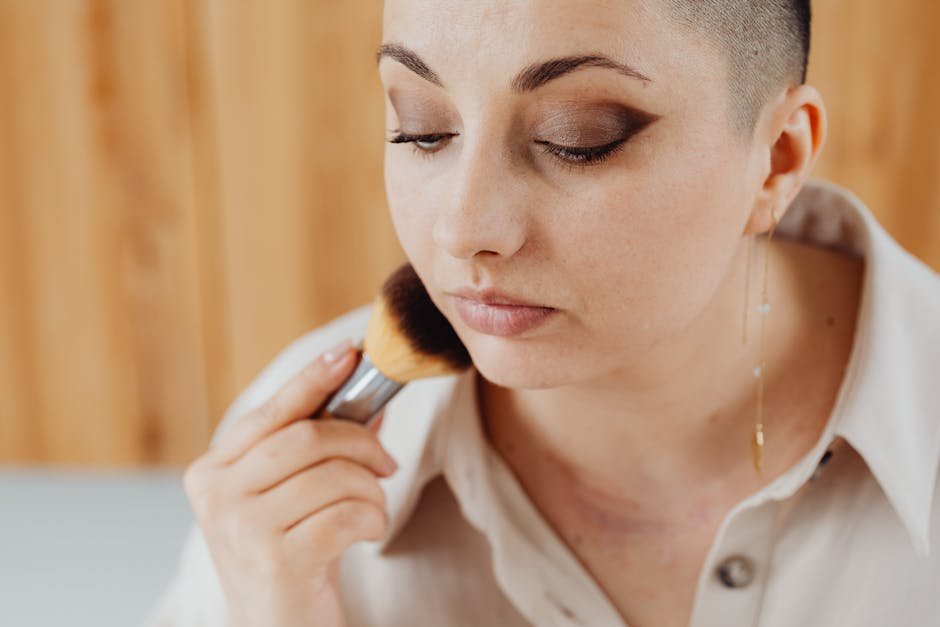
- Powder: Setting powder is essential for oily skin. Use a large, fluffy brush to apply a light layer of translucent powder to the T-zone and any other areas that tend to get oily. Consider using a baking technique (applying a thicker layer of powder and letting it sit for a few minutes before dusting it off) for extra shine control, but be cautious as this can be drying. Avoid over-powdering, as this can create a dry, cakey appearance.
Strategic Use of Powder: Mattifying Throughout the Day
Powder is your best friend when it comes to managing oily skin. Carry a compact with a translucent powder and a small brush for touch-ups throughout the day.
- Types of Powder: Choose from loose powder, pressed powder, or blotting powder. Loose powder is generally more effective at absorbing oil, while pressed powder is more convenient for on-the-go touch-ups. Blotting powder is designed to absorb oil without adding any additional coverage.
- Application: Use a light hand when applying powder. Focus on the T-zone and any other areas that tend to get oily. Avoid using too much powder, as this can create a dry, cakey appearance. Blotting papers can be used to remove excess oil before reapplying powder.
- Powder Ingredients: Look for powders that contain ingredients like silica, rice powder, or cornstarch. These ingredients are effective at absorbing oil. Avoid powders that contain talc, as it can be drying and irritating for some skin types.
Choosing the Right Blush, Bronzer, and Highlight: Considering Texture and Finish
Even with oily skin, you can still enjoy blush, bronzer, and highlighter. The key is to choose the right textures and finishes.
- Blush: Powder blush is generally the best option for oily skin. Cream or liquid blushes can add shine. Look for matte or satin finishes.
- Bronzer: Choose a matte bronzer to add warmth and definition to your face. Avoid bronzers with shimmer or glitter, as they can accentuate oily skin.
- Highlighter: Use a powder highlighter sparingly on the high points of your face, such as the cheekbones, brow bone, and bridge of the nose. Avoid applying highlighter to areas that tend to get oily, such as the forehead or chin. Opt for finely milled powders that won’t emphasize texture.
Setting Sprays: Locking Everything in Place
A setting spray is the final step in your makeup routine. It helps to lock everything in place, control shine, and extend the wear of your makeup.
- Types of Setting Sprays: Look for setting sprays specifically formulated for oily skin. These sprays often contain ingredients that absorb oil and create a matte finish. Some setting sprays also have a cooling effect, which can help to control oil production.
- Application: Hold the setting spray about 8-10 inches away from your face and spray in a “T” and “X” motion. Avoid spraying too close to your face, as this can make your makeup look wet or streaky.
- Ingredients: Look for setting sprays that contain ingredients like alcohol (in a smaller concentration), silica, or witch hazel. Avoid setting sprays that contain oils or heavy emollients.
Skincare Matters: A Foundation for Flawless Makeup
Makeup for oily skin starts with a good skincare routine. Proper cleansing, exfoliating, and moisturizing can help to control oil production and create a smooth canvas for makeup application.
- Cleansing: Use a gentle, oil-free cleanser to remove dirt, oil, and makeup twice a day. Avoid harsh cleansers that can strip your skin of its natural oils, as this can actually trigger more oil production.
- Exfoliating: Exfoliate your skin 1-2 times a week to remove dead skin cells and unclog pores. Use a gentle scrub or a chemical exfoliant (such as AHA or BHA).
- Moisturizing: Even oily skin needs moisturizer. Choose a lightweight, oil-free moisturizer that won’t clog pores. Hyaluronic acid serums are a great option.
- Masks: Clay masks can help to absorb excess oil and unclog pores. Use a clay mask 1-2 times a week.
Diet and Hydration: Inner Beauty Reflects Outward
What you put into your body has a direct impact on your skin. Maintaining a healthy diet and staying properly hydrated can contribute to better skin health and reduced oil production.
- Hydration: Drink plenty of water throughout the day to keep your skin hydrated. Dehydration can actually trigger more oil production.
- Diet: Limit your intake of processed foods, sugary drinks, and unhealthy fats. Focus on eating a balanced diet rich in fruits, vegetables, and whole grains.
- Supplements: Consider taking a supplement such as omega-3 fatty acids, which can help to reduce inflammation and improve skin health. Consult with a doctor before starting any new supplements.