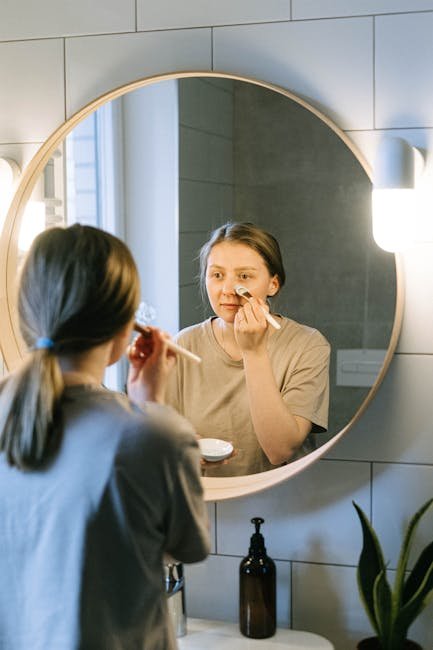
Teenage Dream: The Perfect Skincare Routine for Teens
Navigating the tumultuous waters of teenage skin can feel like an endless battle against breakouts, oil slicks, and unpredictable sensitivities. Hormonal fluctuations, coupled with the pressures of school, social life, and experimentation with makeup, create a perfect storm for skin concerns. But fear not, aspiring skincare enthusiasts! Achieving a healthy, glowing complexion during your teenage years is entirely possible with a consistent and well-structured routine tailored to your specific needs. This guide breaks down the essential steps, ingredients, and considerations for crafting your perfect teenage skincare regime.
Understanding Your Skin Type: The Foundation of Effective Skincare
Before diving into products, it’s crucial to identify your skin type. This will dictate the ingredients and formulations that will best suit your skin’s unique needs. The main skin types include:
- Oily Skin: Characterized by excessive sebum production, resulting in a shiny appearance, enlarged pores, and a tendency towards acne and blackheads.
- Dry Skin: Lacking in natural oils, leading to a tight, flaky, and sometimes itchy complexion. Dry skin is prone to irritation and premature aging.
- Combination Skin: A mix of oily and dry areas, typically with an oily T-zone (forehead, nose, and chin) and dry cheeks.
- Sensitive Skin: Reacts easily to certain ingredients and environmental factors, often resulting in redness, itching, and irritation.
- Normal Skin: Balanced sebum production, with a smooth texture, small pores, and minimal sensitivity.
To determine your skin type, wash your face with a gentle cleanser and pat it dry. Wait for about 30 minutes without applying any products. Observe how your skin feels and looks. If it feels tight and looks flaky, you likely have dry skin. If it feels oily all over, you have oily skin. If your T-zone is oily, but your cheeks are normal or dry, you have combination skin. If your skin feels itchy, red, or irritated after washing, you may have sensitive skin. If your skin feels comfortable and looks balanced, you likely have normal skin.
The Core Four: A Simple Yet Effective Skincare Routine
For most teenagers, a simple routine consisting of four key steps is sufficient to maintain healthy skin.
- Cleansing: The First Line of Defense
Cleansing is the foundation of any skincare routine. It removes dirt, oil, makeup, and other impurities that can clog pores and lead to breakouts. Choose a cleanser that is specifically formulated for your skin type.
*   **For Oily Skin:** Opt for a gel or foaming cleanser that contains salicylic acid or benzoyl peroxide. Salicylic acid exfoliates the skin and unclogs pores, while benzoyl peroxide kills acne-causing bacteria.
*   **For Dry Skin:** Choose a creamy or hydrating cleanser that is free of harsh sulfates. Look for ingredients like hyaluronic acid, glycerin, and ceramides to replenish moisture.
*   **For Combination Skin:** A gentle foaming cleanser or a pH-balanced cleanser will work well. Avoid cleansers that are too stripping, as they can dry out the dry areas of your face.
*   **For Sensitive Skin:** Select a fragrance-free and hypoallergenic cleanser that is specifically formulated for sensitive skin. Look for ingredients like chamomile, aloe vera, and oat extract to soothe and calm irritation.

**Cleansing Technique:** Wet your face with lukewarm water. Apply a small amount of cleanser to your fingertips and gently massage it onto your skin in circular motions for about 30-60 seconds. Rinse thoroughly with lukewarm water and pat your skin dry with a clean towel. Avoid harsh scrubbing, which can irritate the skin.- Treating: Targeting Specific Concerns
After cleansing, it’s time to address any specific skin concerns you may have, such as acne, hyperpigmentation, or redness. This is where targeted treatments come in.
*   **For Acne:** Spot treatments containing benzoyl peroxide or salicylic acid can be applied directly to blemishes to reduce inflammation and promote healing. Retinoids, available over-the-counter in lower concentrations (adapalene), can also be used to prevent breakouts and improve skin texture.
*   **For Hyperpigmentation (Dark Spots):** Topical vitamin C serums can help brighten the skin and reduce the appearance of dark spots. Niacinamide is another ingredient that can help even out skin tone.
*   **For Redness and Inflammation:** Calming ingredients like aloe vera, chamomile, and green tea extract can help soothe irritated skin. Azelaic acid is another effective ingredient for reducing redness and inflammation.

**Application:** Apply a thin layer of the treatment to the affected areas after cleansing and before moisturizing. Follow the product instructions carefully and avoid using too much, as this can irritate the skin.- Moisturizing: Hydration is Key
Even oily skin needs moisture! Moisturizing helps to keep the skin hydrated, which is essential for maintaining a healthy skin barrier and preventing dryness and irritation.
*   **For Oily Skin:** Choose a lightweight, oil-free moisturizer that won't clog pores. Look for ingredients like hyaluronic acid and glycerin, which are humectants that draw moisture to the skin.
*   **For Dry Skin:** Opt for a richer, more emollient moisturizer that contains ingredients like ceramides, shea butter, and squalane.
*   **For Combination Skin:** A lightweight lotion or gel moisturizer will work well. Apply a slightly richer moisturizer to the dry areas of your face.
*   **For Sensitive Skin:** Select a fragrance-free and hypoallergenic moisturizer that is specifically formulated for sensitive skin. Look for ingredients like ceramides, colloidal oatmeal, and allantoin to soothe and protect the skin.

**Application:** Apply a generous amount of moisturizer to your face and neck after cleansing and treating. Gently massage it into your skin until it is fully absorbed.- Sunscreen: The Ultimate Protector
Sunscreen is the most important step in any skincare routine, regardless of skin type. It protects the skin from harmful UV rays, which can cause premature aging, wrinkles, and skin cancer.
*   Choose a broad-spectrum sunscreen with an SPF of 30 or higher.
*   Look for sunscreens that are oil-free and non-comedogenic (won't clog pores).
*   Physical sunscreens (zinc oxide and titanium dioxide) are generally better for sensitive skin.
*   Chemical sunscreens absorb UV rays, while physical sunscreens reflect them.

**Application:** Apply sunscreen liberally to all exposed areas of your skin 15-30 minutes before sun exposure. Reapply every two hours, or more often if you are sweating or swimming. Don't forget areas like your ears, neck, and the back of your hands.
Beyond the Basics: Additional Tips for Teenage Skin
- Exfoliate 1-2 Times Per Week: Exfoliation removes dead skin cells, which can help to unclog pores and improve skin texture. Choose a gentle exfoliator, such as a chemical exfoliant (AHA/BHA) or a gentle scrub.
- Don’t Pick at Your Skin: Picking at pimples can lead to inflammation, scarring, and infection. Resist the urge to pick and instead use a spot treatment.
- Wash Your Makeup Brushes Regularly: Dirty makeup brushes can harbor bacteria that can cause breakouts. Wash your brushes at least once a week with a gentle soap or brush cleanser.
- Stay Hydrated: Drinking plenty of water helps to keep your skin hydrated from the inside out.
- Eat a Healthy Diet: A diet rich in fruits, vegetables, and whole grains can help to improve your skin’s overall health.
- Get Enough Sleep: Sleep is essential for cell regeneration and repair. Aim for 8-10 hours of sleep per night.
- Manage Stress: Stress can trigger breakouts. Find healthy ways to manage stress, such as exercise, meditation, or spending time with friends and family.
- Consult a Dermatologist: If you have persistent skin problems, such as severe acne or eczema, consult a dermatologist. They can provide personalized recommendations and prescribe stronger medications if necessary.
By following these tips and establishing a consistent skincare routine, you can achieve healthy, radiant skin during your teenage years and beyond. Remember to be patient and consistent, as it takes time to see results. Don’t be afraid to experiment with different products and ingredients to find what works best for your skin.