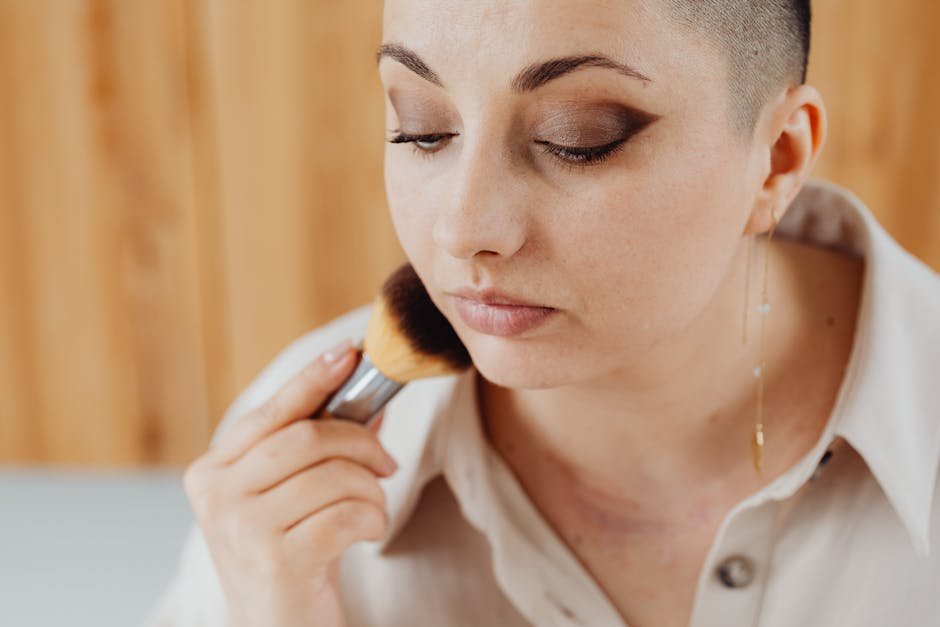
Luscious Lashes: Unveiling the Secrets to Flawless Flutter
I. Understanding Eyelash Anatomy and Growth Cycle:
The allure of long, thick lashes stems from their ability to frame the eyes, enhance beauty, and project confidence. But to truly achieve luscious lashes, a fundamental understanding of their anatomy and growth cycle is crucial. Each eyelash, like other hairs on the body, emerges from a follicle – a tiny pocket embedded in the skin of the eyelid. These follicles are highly sensitive to hormonal fluctuations, nutritional deficiencies, and environmental factors, making them vulnerable to damage.
Eyelashes have a finite lifespan, going through three distinct phases:
-
Anagen (Growth Phase): This is the active growth phase, where the lash is lengthening and thickening. It typically lasts between 30 to 45 days, accounting for only a fraction of the eyelash lifecycle. This short growth period explains why eyelashes are significantly shorter than scalp hair, which can remain in the anagen phase for years. The length of this phase dictates the potential maximum length of the lash.
-
Catagen (Transition Phase): Following the anagen phase, the lash enters the catagen phase, lasting approximately two to three weeks. During this period, the eyelash follicle shrinks, and growth ceases. The lash becomes detached from the blood supply and the dermal papilla, essentially preparing to fall out.
-
Telogen (Resting Phase): The telogen phase is the longest, lasting over 100 days. The lash remains in place, dormant, while a new lash begins to form in the follicle beneath it. Eventually, the new lash pushes out the old one, starting the cycle anew. Approximately 30-40% of your upper lashes are in the telogen phase at any given time.
Understanding this cycle is vital because treatments aimed at promoting lash growth are most effective during the anagen phase. Treatments that claim to instantly lengthen lashes permanently are often misleading or harmful, as they cannot fundamentally alter the underlying biological cycle.
II. Common Causes of Eyelash Loss and Thinning:
Eyelash loss, or madarosis, can be a distressing condition impacting both physical appearance and self-esteem. Several factors can contribute to thinning lashes, ranging from everyday habits to underlying medical conditions.
-
Mechanical Damage: This is perhaps the most common culprit. Aggressive rubbing of the eyes, improper removal of eye makeup (especially waterproof mascara), using harsh makeup removers, or excessively curling lashes can weaken the delicate hair follicles and lead to breakage and premature shedding. The constant friction and pulling can damage the cuticle, the protective outer layer of the lash, making it brittle and prone to breakage.
-
Cosmetic Procedures: Eyelash extensions, while enhancing lash length and volume, can be detrimental if not applied and maintained correctly. The weight of the extensions can put excessive strain on the natural lashes, causing them to fall out. Similarly, improperly applied or removed lash lifts can damage the lash structure.
-
Medical Conditions: Certain medical conditions can manifest as eyelash loss. These include:
- Blepharitis: Inflammation of the eyelids can cause irritation, itching, and, subsequently, lash loss due to rubbing.
- Alopecia Areata: This autoimmune disorder can cause patchy hair loss, including eyelashes.
- Thyroid Disorders: Both hypothyroidism (underactive thyroid) and hyperthyroidism (overactive thyroid) can disrupt hair growth, including eyelashes.
- Eczema and Psoriasis: These skin conditions can affect the eyelids and lead to inflammation and lash loss.
- Nutritional Deficiencies: Deficiencies in essential vitamins and minerals, such as iron, biotin, and zinc, can impair hair growth.
-
Medications: Certain medications, such as chemotherapy drugs and some blood thinners, can cause hair loss as a side effect.
-
Aging: As we age, hair follicles naturally shrink and produce thinner, shorter hairs, including eyelashes.
III. Effective Strategies for Enhancing Lash Growth and Health:
Fortunately, several strategies can be employed to promote lash growth and maintain their health and appearance.
-
Gentle Makeup Removal: Always use a gentle, oil-based makeup remover specifically designed for the eyes. Avoid rubbing or tugging at the lashes. Saturate a cotton pad with remover and hold it against the eyelid for a few seconds to dissolve the makeup before gently wiping it away.
-
Minimize Mascara Use: While mascara enhances lash volume, excessive use, especially waterproof formulas, can dry out and weaken the lashes. If using mascara, opt for a conditioning formula and remove it thoroughly at the end of the day.
-
Eyelash Serums: Eyelash serums containing ingredients like peptides, biotin, panthenol (provitamin B5), and amino acids can help strengthen lashes, promote growth, and prevent breakage. These ingredients work by nourishing the hair follicle and improving the overall health of the lash. Research and choose reputable brands with proven effectiveness.
-
Proper Eyelash Extension Care: If opting for extensions, choose a qualified and experienced technician who uses high-quality products. Adhere to the recommended maintenance schedule and avoid pulling or picking at the extensions. Give your natural lashes a break between extension cycles.
-
Healthy Diet: A balanced diet rich in vitamins, minerals, and protein is essential for healthy hair growth, including eyelashes. Ensure adequate intake of iron, zinc, biotin, vitamin E, and omega-3 fatty acids. Consider taking a multivitamin supplement if necessary.
-
Castor Oil: Castor oil is a traditional remedy believed to promote hair growth and thickness. Apply a small amount to the eyelashes before bed using a clean mascara wand. Be cautious to avoid getting it into the eyes, as it can cause irritation.
-
Gentle Eyelash Combing: Combing eyelashes with a clean lash comb or spoolie brush can help remove debris, stimulate blood circulation to the follicles, and promote healthy growth.
-
Address Underlying Medical Conditions: If eyelash loss is accompanied by other symptoms or is persistent, consult a doctor to rule out any underlying medical conditions. Treatment of the underlying condition may help restore lash growth.
-
Avoid Over-Curling: Excessive use of eyelash curlers can weaken and damage the lashes. If using a curler, ensure it is clean and use it gently. Consider using a heated lash curler, which is less damaging than traditional clamp-style curlers.
IV. Ingredient Spotlight: Key Actives in Eyelash Serums:
Understanding the key ingredients in eyelash serums is crucial for making informed purchasing decisions and maximizing results.
-
Peptides: Peptides are short chains of amino acids that can stimulate collagen production, which is essential for hair growth and strength. Myristoyl Pentapeptide-17 is a common peptide found in eyelash serums.
-
Biotin (Vitamin B7): Biotin is a water-soluble vitamin that plays a vital role in cell growth and metabolism. It is often added to eyelash serums to strengthen lashes and promote healthy growth.
-
Panthenol (Provitamin B5): Panthenol is a humectant that attracts and retains moisture, helping to hydrate and condition the lashes, preventing dryness and breakage.
-
Amino Acids: Amino acids are the building blocks of protein, which is essential for hair structure. Some eyelash serums contain amino acid complexes to strengthen and nourish the lashes.
-
Prostaglandin Analogs: Some prescription eyelash growth serums contain prostaglandin analogs, such as bimatoprost. These ingredients work by prolonging the anagen (growth) phase of the eyelash cycle. However, they can have potential side effects, such as eye irritation and darkening of the iris and eyelid skin, and should only be used under medical supervision.
-
Hyaluronic Acid: A powerful humectant that helps to hydrate and plump the lashes, improving their appearance and preventing breakage.
-
Glycerin: Another humectant that draws moisture to the lashes, keeping them hydrated and healthy.
By understanding these factors and implementing appropriate strategies, achieving luscious and healthy eyelashes is within reach. Remember that consistency and patience are key, as it takes time to see visible results.