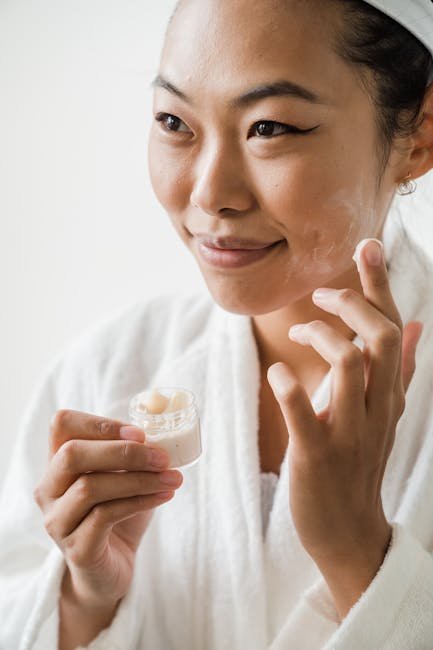
The Foundation of Radiance: Understanding Your Skin Type
Before diving into cleansing techniques, accurately identifying your skin type is crucial. Using products designed for an incompatible skin type can exacerbate issues rather than resolve them. Broadly, skin types fall into five categories:
-
Normal Skin: Characterized by balanced oil production, small pores, and minimal sensitivity. It’s neither excessively oily nor dry and requires gentle maintenance.
-
Oily Skin: Exhibits overactive sebaceous glands, leading to a shiny appearance, enlarged pores, and a propensity for acne. Cleansing strategies must focus on oil control without stripping the skin.
-
Dry Skin: Lacks sufficient moisture, resulting in flakiness, tightness, and a dull complexion. Cleansing routines must prioritize hydration and avoid harsh ingredients.
-
Combination Skin: Features both oily and dry patches, typically with an oily T-zone (forehead, nose, and chin) and dry cheeks. A tailored approach is needed to address the varying needs of different areas.
-
Sensitive Skin: Reacts easily to various stimuli, displaying redness, itching, or irritation. Gentle, fragrance-free cleansers are essential to avoid triggering reactions.
To determine your skin type, observe your skin throughout the day. After washing your face with a gentle cleanser and patting it dry, wait an hour without applying any products. Note how your skin feels and looks. Shine indicates oiliness, tightness indicates dryness, and a combination suggests, well, combination skin.
The Essential Steps: A Deep Dive into Cleansing Techniques
Effective facial cleansing is a multi-step process, far beyond a quick splash of water and soap. Each step plays a vital role in removing impurities and preparing the skin for subsequent skincare.
-
Makeup Removal: The First Line of Defense
Never skip this step, especially if you wear makeup regularly. Sleeping with makeup on can clog pores, leading to breakouts and premature aging. Choose a makeup remover formulated for your skin type. Micellar water is a gentle option suitable for most skin types, while oil-based cleansers effectively dissolve stubborn makeup, including waterproof formulas. Gently saturate a cotton pad with the remover and swipe across the face, avoiding harsh rubbing. For eye makeup, hold the pad against your closed eyelid for a few seconds to dissolve the makeup before gently wiping it away.
-
The Double Cleanse: A Power Duo for Thoroughness
Popularized in Korean skincare, double cleansing involves using two cleansers consecutively: an oil-based cleanser followed by a water-based cleanser. The oil-based cleanser removes makeup, sunscreen, and excess sebum, while the water-based cleanser removes any remaining residue and cleanses deeper into the pores. This method ensures a thorough cleanse without stripping the skin’s natural oils. For the water-based cleanser, choose a gel, foam, or cream cleanser based on your skin type.
-
Choosing the Right Cleanser: A Matter of Formulation
Selecting a cleanser that aligns with your skin type is paramount.
-
For Oily Skin: Opt for gel or foaming cleansers containing ingredients like salicylic acid or benzoyl peroxide to control oil production and prevent breakouts. Avoid creamy cleansers that can clog pores.
-
For Dry Skin: Choose cream or oil-based cleansers that are hydrating and gentle. Look for ingredients like hyaluronic acid, ceramides, or glycerin to replenish moisture. Avoid harsh sulfates and alcohol-based cleansers.
-
For Combination Skin: Use a gentle foaming or gel cleanser that balances oil production in the T-zone without drying out the cheeks. Consider using a different cleanser for each area of your face if needed.
-
For Sensitive Skin: Select fragrance-free, hypoallergenic cleansers with minimal ingredients. Look for calming ingredients like aloe vera, chamomile, or oatmeal. Avoid harsh exfoliants and sulfates.
-
For Normal Skin: You have the most flexibility, but still choose a gentle cleanser that doesn’t disrupt the skin’s natural balance.
-
-
The Cleansing Process: Gentle and Effective
Wet your face with lukewarm water. Apply a small amount of cleanser to your fingertips and gently massage it onto your face in circular motions for 30-60 seconds. Pay particular attention to areas prone to oiliness or breakouts, such as the T-zone and around the nose. Avoid scrubbing too hard, as this can irritate the skin. Rinse thoroughly with lukewarm water until all traces of the cleanser are removed. Pat your face dry with a soft towel. Avoid rubbing, as this can cause irritation and wrinkles.
-
Exfoliation: Unveiling Radiant Skin (Occasionally)
Exfoliation removes dead skin cells, revealing brighter, smoother skin. However, over-exfoliating can damage the skin’s barrier. Limit exfoliation to 1-3 times per week, depending on your skin type and the type of exfoliant used.
-
Physical Exfoliants: Include scrubs with small particles like sugar, salt, or jojoba beads. Use gentle pressure and avoid harsh scrubbing.
-
Chemical Exfoliants: Contain acids like AHAs (alpha-hydroxy acids) or BHAs (beta-hydroxy acids). AHAs are effective for surface-level exfoliation and brightening, while BHAs penetrate deeper to unclog pores.
-
-
The Post-Cleanse Ritual: Hydration is Key
Immediately after cleansing, apply a toner (optional) and then a moisturizer. Toners help balance the skin’s pH level and prepare it for subsequent products. Choose an alcohol-free toner to avoid drying out the skin. Apply a moisturizer suitable for your skin type to lock in moisture and keep your skin hydrated. Even oily skin needs moisturizer; opt for a lightweight, oil-free formula.
Addressing Specific Concerns: Tailoring Your Routine
Certain skin concerns require specific cleansing strategies.
-
Acne: Use a cleanser containing salicylic acid or benzoyl peroxide to unclog pores and reduce inflammation. Avoid harsh scrubbing, as this can irritate acne.
-
Blackheads: Regular exfoliation with a BHA cleanser can help dissolve blackheads. Consider using a clay mask once or twice a week to draw out impurities.
-
Enlarged Pores: Cleansing with a gentle exfoliating cleanser can help minimize the appearance of enlarged pores.
-
Rosacea: Use a very gentle, fragrance-free cleanser formulated for sensitive skin. Avoid harsh exfoliants and hot water.
-
Aging Skin: Choose a hydrating cleanser with antioxidants to protect against free radical damage. Consider using a cleanser with peptides to promote collagen production.
Lifestyle Factors: The Cleansing Power Within
While cleansing is essential, internal factors also contribute to radiant skin.
-
Hydration: Drink plenty of water to keep your skin hydrated from the inside out.
-
Diet: Eat a healthy diet rich in fruits, vegetables, and antioxidants.
-
Sleep: Get enough sleep to allow your skin to repair itself.
-
Stress Management: Manage stress levels through relaxation techniques like yoga or meditation.
-
Sun Protection: Wear sunscreen daily to protect your skin from sun damage, which can lead to premature aging and breakouts.