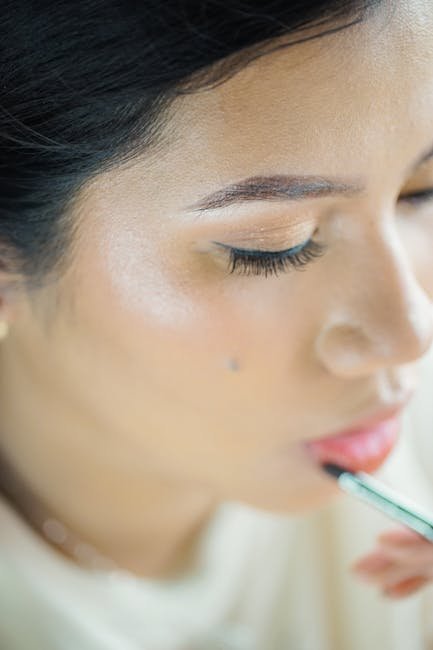
Easy Everyday Makeup Tutorial: A Beginner’s Guide
Understanding Your Skin and Choosing the Right Products
Before diving into application, understanding your skin type is crucial. Are you oily, dry, combination, or sensitive? This dictates the products you’ll need.
- Oily Skin: Opt for oil-free, matte-finish products. Look for ingredients like salicylic acid or clay to control oil production.
- Dry Skin: Hydration is key. Choose moisturizing foundations, cream blushes, and hydrating primers. Hyaluronic acid and glycerin are your friends.
- Combination Skin: A balanced approach is best. Use a light moisturizer and focus on oil control in the T-zone (forehead, nose, and chin).
- Sensitive Skin: Fragrance-free, hypoallergenic, and non-comedogenic products are essential. Patch test new products before applying them to your entire face.
Essential Makeup Tools and Products
You don’t need a professional makeup artist’s kit to achieve an everyday look. These essentials will get you started:
- Primer: Creates a smooth canvas for makeup application and helps it last longer.
- Foundation/BB Cream/Tinted Moisturizer: Evens out skin tone and provides light to medium coverage. Choose a formula that matches your skin type.
- Concealer: Covers blemishes, dark circles, and redness.
- Powder (Optional): Sets makeup and reduces shine, especially for oily skin.
- Blush: Adds a natural flush of color to the cheeks.
- Bronzer (Optional): Warms up the complexion and adds definition.
- Eyeshadow: Enhances the eyes with subtle color.
- Mascara: Defines and lengthens lashes.
- Eyeliner (Optional): Adds definition to the eyes.
- Lipstick/Lip Gloss/Lip Balm: Completes the look with color and hydration.
- Makeup Brushes/Sponges: Essential for applying and blending products.
- Foundation Brush/Sponge: For applying foundation.
- Concealer Brush/Sponge: For precise concealer application.
- Powder Brush: For applying powder.
- Blush Brush: For applying blush.
- Eyeshadow Brushes: For applying and blending eyeshadow (a basic set with a shader, blending, and pencil brush is ideal).
- Eyeliner Brush (Optional): For applying eyeliner.
- Makeup Remover: To gently remove makeup at the end of the day.
- Setting Spray (Optional): Extends makeup wear and can give a dewy or matte finish.
Step-by-Step Makeup Application
-
Prep Your Skin: Start with a clean and moisturized face. Cleanse your skin with a gentle cleanser and apply your favorite moisturizer. Allow it to absorb completely before moving on to the next step.
-
Apply Primer: Apply a thin layer of primer to your entire face or areas where you want your makeup to last longer. Focus on the T-zone if you have oily skin.
-
Apply Foundation/BB Cream/Tinted Moisturizer: Choose your preferred base product. Apply it with a brush, sponge, or your fingers. Start at the center of your face and blend outwards, ensuring even coverage. Blend well along your hairline and jawline to avoid harsh lines. For a natural look, use a damp sponge to sheer out the product. Less is more!
-
Conceal Imperfections: Use a concealer that is one or two shades lighter than your skin tone to brighten under the eyes and cover any blemishes or redness. Apply concealer in a triangular shape under the eyes to brighten the area. Gently tap the concealer into your skin with a sponge or your finger, blending seamlessly.
-
Set with Powder (Optional): If you have oily skin or want to set your makeup for longer wear, apply a light dusting of powder to your face with a large, fluffy brush. Focus on the T-zone, where oil tends to accumulate.
-
Add Blush: Smile to find the apples of your cheeks. Apply blush to the apples of your cheeks and blend upwards towards your temples. Choose a shade that complements your skin tone – peach, pink, or berry shades work well for most.
-
Bronze and Contour (Optional): If you want to add definition to your face, use a bronzer that is a few shades darker than your skin tone. Apply it to the hollows of your cheeks, along your hairline, and along your jawline. Blend well to avoid harsh lines.
-
Eyeshadow Application: For an easy everyday eyeshadow look, choose a neutral shade like a matte brown or taupe. Apply it all over your eyelid with a shader brush. Then, use a slightly darker shade in the crease of your eye to add dimension. Blend well with a blending brush. You can also use a light shimmer shade on the inner corner of your eye to brighten it up.
-
Apply Eyeliner (Optional): If you want to define your eyes further, apply a thin line of eyeliner along your upper lash line. You can use a pencil liner, liquid liner, or gel liner. Start with a thin line and gradually build it up to your desired thickness. For a softer look, smudge the eyeliner with a cotton swab or eyeshadow brush.
-
Apply Mascara: Curl your eyelashes with an eyelash curler. Then, apply one or two coats of mascara to your upper and lower lashes. Wiggle the mascara wand at the base of your lashes to coat them evenly.
-
Lip Color: Choose a lip color that complements your skin tone and the rest of your makeup look. You can opt for a natural lip balm, a tinted lip gloss, or a lipstick in a nude, pink, or berry shade.
-
Set Your Makeup (Optional): If you want to extend the wear of your makeup, spritz a setting spray all over your face.
Tips and Tricks for Beginners
- Start Small: Don’t try to do everything at once. Focus on mastering the basics first.
- Blend, Blend, Blend: Blending is key to a natural-looking makeup application.
- Use Good Lighting: Apply your makeup in natural light whenever possible.
- Clean Your Brushes Regularly: Dirty brushes can harbor bacteria and lead to breakouts.
- Experiment and Have Fun: Makeup is a way to express yourself, so don’t be afraid to try new things!
- Don’t Be Afraid to Ask for Help: Sephora and Ulta beauty specialists are trained to help you find the right products and offer application tips.
- Utilize Online Resources: YouTube is a treasure trove of makeup tutorials. Search for tutorials specific to your skin type and desired look.
- Practice Makes Perfect: The more you practice, the better you’ll become at applying makeup.
Adjusting the Routine for Different Occasions
While this tutorial focuses on an everyday look, you can easily adapt it for different occasions.
- For a Night Out: Add a bolder lip color, a smokier eyeshadow look, and more highlighter.
- For a Special Event: Consider using a foundation with more coverage and adding false eyelashes.
- For a Natural Look: Skip the foundation and just use concealer to cover any imperfections. Use a tinted lip balm instead of lipstick.
Addressing Common Makeup Mistakes
- Choosing the Wrong Foundation Shade: This is one of the most common makeup mistakes. Always test foundation on your jawline in natural light to ensure it matches your skin tone.
- Applying Too Much Foundation: Less is more. Start with a thin layer and build up coverage as needed.
- Skipping Primer: Primer helps makeup last longer and creates a smooth canvas for application.
- Not Blending Properly: Blending is crucial for a natural-looking makeup application.
- Overdoing the Bronzer: Bronzer should be used to warm up the complexion and add definition, not to make you look orange.
- Applying Mascara Incorrectly: Wiggle the mascara wand at the base of your lashes to coat them evenly and prevent clumping.
- Forgetting to Remove Makeup: Always remove your makeup before going to bed to prevent breakouts and skin irritation.
By following these tips and practicing regularly, you’ll be able to create a flawless everyday makeup look that enhances your natural beauty.