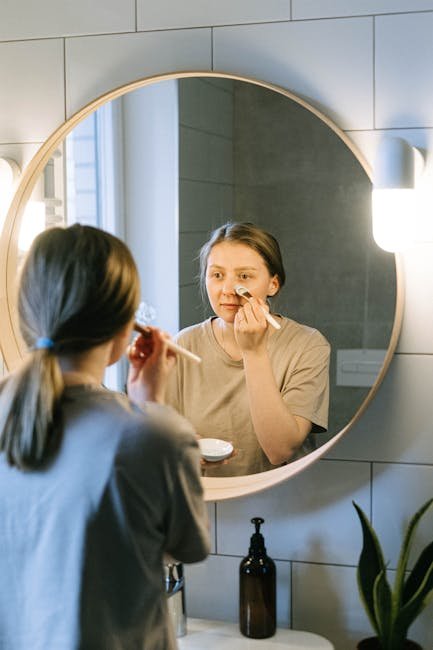
Hydration Heaven: How to Effectively Hydrate Your Skin
Understanding Skin Hydration: A Foundation for Radiance
Skin hydration is the cornerstone of a healthy, youthful, and radiant complexion. It’s far more than just applying moisturizer; it’s a complex process involving the skin’s ability to retain moisture, attract water from the environment, and prevent transepidermal water loss (TEWL). Dehydration, on the other hand, manifests in various ways, from subtle tightness and flakiness to more pronounced signs like increased wrinkles, dullness, and heightened sensitivity. Comprehending the intricacies of skin hydration is the first step towards achieving and maintaining a healthy, glowing complexion.
The skin’s outermost layer, the stratum corneum, acts as a protective barrier. This layer is composed of dead skin cells embedded in a matrix of lipids, creating a “brick and mortar” structure. Ceramides, cholesterol, and fatty acids are the key lipids that contribute to this barrier’s integrity. When this barrier is compromised due to factors like harsh cleansers, environmental aggressors, or underlying skin conditions, the skin loses its ability to retain moisture, leading to dehydration.
Furthermore, the skin contains natural moisturizing factors (NMFs), which are water-soluble compounds that attract and bind water to the stratum corneum. NMFs include amino acids, urea, lactic acid, and other humectants. These substances play a crucial role in maintaining the skin’s hydration levels. Depletion of NMFs, often caused by over-exfoliation or the use of drying products, can significantly impair the skin’s ability to retain moisture.
Identifying Your Skin Type and Hydration Needs
Before embarking on a hydration journey, it’s essential to accurately identify your skin type. This understanding will guide your product choices and hydration strategies. The primary skin types are:
-
Normal Skin: Balanced oil production, minimal sensitivity, and a generally smooth texture. Hydration needs are moderate; maintaining the natural balance is key.
-
Dry Skin: Characterized by low oil production, often feeling tight, flaky, and prone to irritation. Requires intense hydration and emollient-rich products.
-
Oily Skin: Overproduction of sebum, leading to a shiny appearance and a tendency towards breakouts. Despite the oiliness, oily skin can still be dehydrated and require lightweight, oil-free hydration.
-
Combination Skin: A mix of oily and dry areas, typically with an oily T-zone (forehead, nose, and chin) and dry cheeks. Requires targeted hydration addressing the specific needs of each area.
-
Sensitive Skin: Prone to irritation, redness, and allergic reactions. Requires gentle, hypoallergenic products and a focus on soothing and calming ingredients.
Once you’ve identified your skin type, assess your skin’s hydration level. Common signs of dehydration include:
- Tightness: A feeling of constriction, especially after cleansing.
- Flakiness: Visible dry patches, often around the nose and mouth.
- Itchiness: A sensation of irritation, indicating dryness.
- Increased Fine Lines: Dehydration can accentuate the appearance of fine lines and wrinkles.
- Dullness: A lack of radiance and a lackluster complexion.
The Hydration Arsenal: Key Ingredients and Products
Effective skin hydration relies on a combination of humectants, emollients, and occlusives. Understanding the roles of these ingredients is crucial for selecting the right products.
-
Humectants: These ingredients attract moisture from the environment and draw it into the skin. Common humectants include:
- Hyaluronic Acid: A powerful humectant that can hold up to 1000 times its weight in water. It plumps the skin and reduces the appearance of fine lines.
- Glycerin: A widely used humectant that is gentle and effective at hydrating the skin.
- Honey: A natural humectant with antioxidant and antibacterial properties.
- Aloe Vera: A soothing humectant with anti-inflammatory benefits.
- Alpha Hydroxy Acids (AHAs): Some AHAs, like lactic acid, act as humectants in addition to their exfoliating properties.
-
Emollients: These ingredients soften and smooth the skin by filling in the gaps between skin cells. Common emollients include:
- Ceramides: Essential lipids that help to repair and maintain the skin barrier.
- Shea Butter: A rich emollient that is nourishing and soothing to the skin.
- Squalane: A lightweight emollient derived from olives or sugarcane, similar to the skin’s natural sebum.
- Jojoba Oil: A non-comedogenic emollient that mimics the skin’s natural oils.
-
Occlusives: These ingredients form a protective barrier on the skin’s surface, preventing transepidermal water loss (TEWL). Common occlusives include:
- Petrolatum: A highly effective occlusive that creates a strong barrier.
- Mineral Oil: A gentle and non-comedogenic occlusive.
- Beeswax: A natural occlusive that also provides emollient properties.
- Silicones (e.g., Dimethicone): Synthetic occlusives that create a smooth and silky feel.
Building a Hydrating Skincare Routine
A well-structured skincare routine is essential for maximizing skin hydration. Consider incorporating these steps:
-
Gentle Cleansing: Use a mild, hydrating cleanser that won’t strip the skin of its natural oils. Avoid harsh sulfates and fragrances. Look for cleansers containing ingredients like glycerin or ceramides. Cream or oil-based cleansers are often good choices for dry skin.
-
Toning (Optional): If using a toner, opt for a hydrating formula that contains humectants like hyaluronic acid or glycerin. Avoid alcohol-based toners, which can be drying.
-
Serum: Apply a hydrating serum containing ingredients like hyaluronic acid, peptides, or antioxidants. Serums are lightweight and penetrate deeply into the skin.
-
Moisturizer: Choose a moisturizer that is appropriate for your skin type. Dry skin benefits from richer creams, while oily skin prefers lightweight lotions or gels. Look for moisturizers containing ceramides, emollients, and occlusives.
-
Facial Oil (Optional): Facial oils can provide an extra layer of hydration and protection. Choose oils that are non-comedogenic and suitable for your skin type.
-
Sunscreen: Sunscreen is crucial for protecting the skin from sun damage, which can exacerbate dehydration. Choose a broad-spectrum sunscreen with an SPF of 30 or higher.
Lifestyle Factors Influencing Skin Hydration
Beyond skincare products, lifestyle factors play a significant role in skin hydration:
-
Water Intake: Drinking sufficient water is essential for overall hydration, including skin hydration. Aim for at least eight glasses of water per day.
-
Diet: Consume a diet rich in fruits and vegetables, which contain water and essential nutrients that support skin health.
-
Humidity: Low humidity environments can contribute to skin dehydration. Use a humidifier, especially during the winter months.
-
Alcohol and Caffeine: These substances can dehydrate the body and skin. Limit your intake.
-
Smoking: Smoking damages collagen and elastin, which can lead to dryness and premature aging.
-
Hot Showers and Baths: Prolonged exposure to hot water can strip the skin of its natural oils. Opt for lukewarm water and limit the duration of showers and baths.
Addressing Specific Hydration Challenges
Certain skin conditions and circumstances can present unique hydration challenges:
-
Eczema: Eczema-prone skin is often dry and itchy. Focus on gentle cleansing, emollient-rich moisturizers, and avoiding triggers.
-
Rosacea: Rosacea-prone skin is sensitive and prone to redness. Use gentle, fragrance-free products and avoid harsh exfoliants.
-
Aging Skin: As we age, the skin’s ability to retain moisture decreases. Incorporate products with hyaluronic acid, ceramides, and peptides.
-
Winter Months: Cold, dry air can significantly dehydrate the skin. Use heavier moisturizers and consider using a humidifier.
-
Travel: Airplane cabins have very low humidity levels, which can dehydrate the skin. Drink plenty of water and apply a hydrating moisturizer frequently.
DIY Hydration Boosters
For an extra boost of hydration, consider incorporating DIY treatments into your routine:
-
Honey Mask: Apply raw honey to the skin for 15-20 minutes. Honey is a natural humectant and has antibacterial properties.
-
Avocado Mask: Mash avocado and apply it to the skin. Avocado is rich in healthy fats and antioxidants.
-
Oatmeal Bath: Add colloidal oatmeal to a lukewarm bath. Oatmeal is soothing and can help to relieve itchy, dry skin.
Advanced Hydration Treatments
For those seeking more intensive hydration, consider these professional treatments:
-
Microdermabrasion: Exfoliates the skin and allows for better product penetration.
-
Chemical Peels: Can improve skin texture and hydration by removing dead skin cells.
-
HydraFacial: A multi-step treatment that cleanses, exfoliates, extracts, and hydrates the skin.
-
Dermal Fillers: Hyaluronic acid fillers can be injected into the skin to plump and hydrate from within.
Key Takeaways for Lasting Hydration
Achieving and maintaining hydrated skin is a continuous process. Consistent hydration is key.
- Listen to Your Skin: Pay attention to your skin’s needs and adjust your routine accordingly.
- Be Patient: It takes time to see results from a new skincare routine.
- Consult a Dermatologist: If you have concerns about your skin, consult a dermatologist for personalized advice. By understanding the principles of skin hydration and implementing a tailored approach, you can unlock a radiant and healthy complexion.