Understanding Your Eyes: A Foundation for Success
Before diving into the brushes and pigments, understanding your unique eye shape is paramount. Are your eyes hooded, meaning the lid skin folds over the crease? Are they almond-shaped, wide-set, close-set, or deep-set? Identifying your eye shape will guide your application techniques, ensuring the makeup complements your natural features rather than obscuring them.
- Hooded Eyes: Often benefit from techniques that create the illusion of a deeper crease. Matte shadows are your friend, and avoid overly shimmery shades on the lid itself, as they can accentuate the hood.
- Almond Eyes: Arguably the most versatile shape, almond eyes can pull off almost any look. Experiment with different wing shapes and color placements.
- Wide-Set Eyes: To create the illusion of closer-set eyes, concentrate darker shades towards the inner corners.
- Close-Set Eyes: Emphasize the outer corners with lighter, brighter shades to create the appearance of greater width.
- Deep-Set Eyes: Light, shimmering shades on the lid will bring the eyes forward. Avoid overly dark shades in the crease, as they can make the eyes appear even deeper.
Beyond shape, consider your eye color. The color wheel provides valuable insights into complementary shades.
- Blue Eyes: Warm tones like bronze, copper, and gold create a striking contrast. Earthy browns and peaches also work beautifully.
- Green Eyes: Purples, plums, and mauves enhance the green in your eyes. Reds (use with caution!), bronzes, and browns are also excellent choices.
- Brown Eyes: Brown eyes are incredibly versatile and can wear almost any shade. However, blues, greens, and golds can make brown eyes truly pop.
- Hazel Eyes: Hazel eyes contain flecks of various colors, allowing you to play with a range of shades. Greens, purples, browns, and golds can all work depending on the dominant flecks you want to emphasize.
Essential Tools and Products for Beginner Eye Makeup
Having the right tools and products makes all the difference. Don’t feel pressured to buy everything at once. Start with the basics and build your collection as you gain experience.
- Eyeshadow Primer: This is non-negotiable. Primer creates a smooth canvas, prevents creasing, and helps eyeshadow adhere and last longer. A small amount goes a long way.
- Eyeshadow Palette: Choose a palette with a range of neutral shades, including matte browns, tans, and creams. This will allow you to create a variety of looks. As you become more confident, you can experiment with bolder colors.
- Eyeshadow Brushes: Invest in a few essential brushes:
- Flat Shader Brush: For applying shadow to the lid.
- Blending Brush: For blending shadow in the crease and softening edges. Look for a fluffy, tapered brush.
- Pencil Brush: For precise application along the lash line and in the inner corner.
- Angled Brush: For applying eyeliner or filling in eyebrows.
- Eyeliner: Start with a pencil liner, as it’s the easiest to control. Black, brown, or a colored liner that complements your eye color are all great options. As you become more skilled, you can try gel or liquid liners.
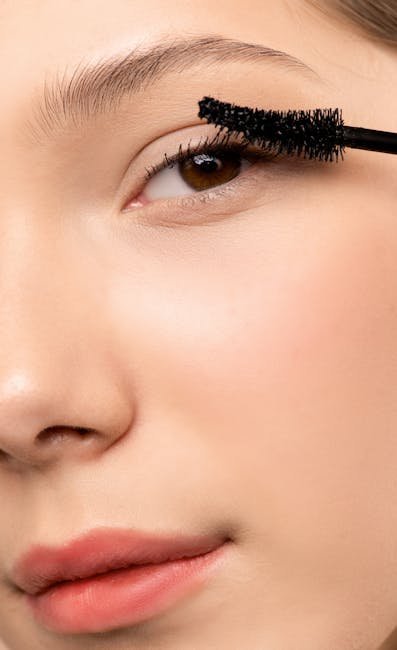
- Mascara: A must-have for defining and lengthening lashes. Choose a formula that suits your needs, whether it’s volumizing, lengthening, or both.
- Eyelash Curler: This simple tool can dramatically open up your eyes. Always curl your lashes before applying mascara.
- Concealer: To brighten the under-eye area and cover any dark circles. Choose a shade that’s one or two shades lighter than your skin tone.
- Makeup Remover: Crucial for removing all traces of makeup at the end of the day. Look for a gentle, oil-based remover to avoid irritating the delicate skin around your eyes.
A Step-by-Step Guide to Creating a Basic Eye Makeup Look
This tutorial focuses on a simple, everyday eye makeup look that’s perfect for beginners.
- Prime Your Lids: Apply a small amount of eyeshadow primer to your eyelids, blending it evenly with your fingertip or a brush. Allow it to dry completely.
- Apply a Base Shade: Choose a matte shade that’s close to your skin tone and apply it all over your eyelid from lash line to brow bone. This will create a smooth, even base for your other shadows.
- Define the Crease: Use a blending brush to apply a slightly darker matte shade (e.g., a light brown or taupe) to your crease. Start at the outer corner and blend inwards, using windshield wiper motions. Don’t be afraid to build up the color gradually.
- Apply Lid Color: Choose a shimmer or satin shade that complements your eye color and apply it to your eyelid with a flat shader brush. Focus the color on the center of your lid and blend it outwards towards the crease.
- Blend, Blend, Blend: This is the key to a flawless eye makeup look. Use your blending brush to soften any harsh lines and blend the crease color seamlessly into the lid color.
- Highlight the Inner Corner (Optional): Apply a small amount of a light, shimmering shade to the inner corner of your eye. This will brighten your eyes and make them appear larger.
- Line Your Eyes: Use a pencil eyeliner to line your upper lash line. Start at the inner corner and draw a thin line along your lash line, gradually thickening it as you move towards the outer corner. You can also smudge the liner with a pencil brush for a softer look.
- Curl Your Lashes: Use an eyelash curler to curl your lashes, holding for a few seconds.
- Apply Mascara: Apply one or two coats of mascara to your upper and lower lashes.
- Clean Up: Use a cotton swab dipped in makeup remover to clean up any mistakes or fallout.
Tips and Tricks for Eye Makeup Success
- Practice Makes Perfect: Don’t get discouraged if your first attempts aren’t perfect. The more you practice, the better you’ll become.
- Use Good Lighting: Apply your makeup in a well-lit area. Natural light is best, but if that’s not possible, use a makeup mirror with built-in lights.
- Start Small: When applying eyeshadow, start with a small amount of product and build up the color gradually. It’s easier to add more shadow than it is to remove it.
- Don’t Be Afraid to Experiment: Try different colors, techniques, and products to find what works best for you.
- Keep Your Brushes Clean: Clean your brushes regularly to prevent bacteria buildup and ensure smooth application.
- Watch Tutorials: There are countless eye makeup tutorials available online. Watch videos and learn from experienced makeup artists.
- Take Breaks: If you’re struggling to achieve a particular look, take a break and come back to it later. Sometimes a fresh perspective can help.
- Invest in Quality Products (Gradually): While you don’t need to spend a fortune, investing in a few key, high-quality products, especially primer and brushes, will make a noticeable difference.
- Consider Your Skin Tone: Different eyeshadow colors will look better on different skin tones. Experiment to find what complements your complexion.
By following these tips and practicing regularly, you’ll be well on your way to mastering eye makeup and creating beautiful, captivating looks.