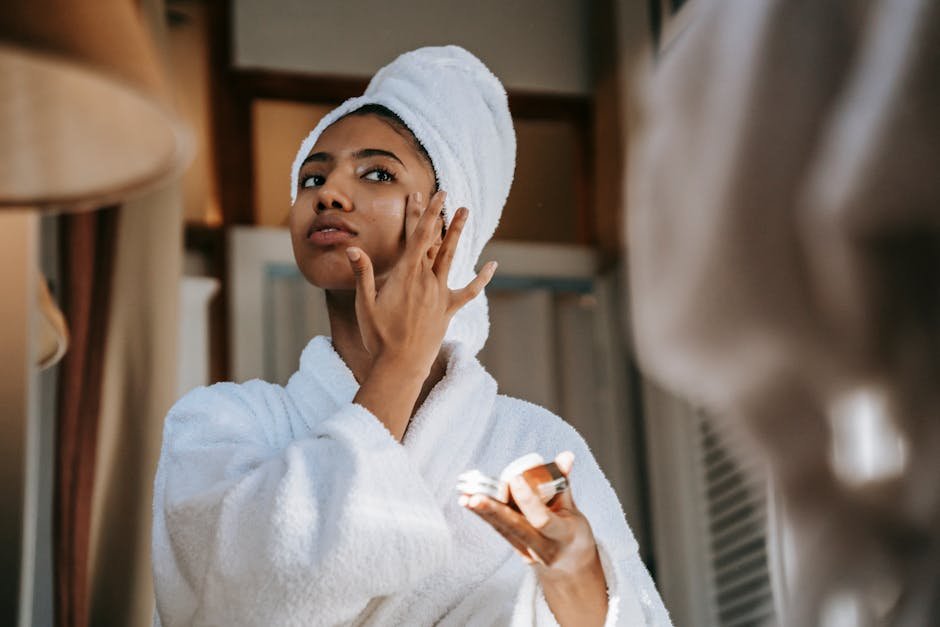
Step 1: Pre-Cleanse – Melting Away the Day’s Grime
The cornerstone of a radiant complexion starts with a thorough cleanse, and often, one cleanse isn’t enough. Enter the pre-cleanse, primarily an oil-based cleanser designed to dissolve makeup, sunscreen, excess sebum, and pollution particles. This crucial step prevents these stubborn residues from clogging pores and hindering the efficacy of your subsequent treatments.
Choosing the Right Oil Cleanser: Look for formulations with non-comedogenic oils like jojoba, grapeseed, or sunflower oil. These mimic the skin’s natural lipids, effectively dissolving oil-based impurities without stripping the skin’s natural moisture barrier. Avoid mineral oil-based cleansers, which can be occlusive and contribute to breakouts for some skin types.
Application Technique: Apply the oil cleanser to dry skin. Gently massage in circular motions for at least one minute, focusing on areas with heavy makeup or stubborn grime. This allows the oil to break down the impurities thoroughly. Emulsify the oil with lukewarm water, continuing to massage until the oil turns milky and rinses clean. Pat dry with a soft towel before moving onto the next step.
Why it’s Essential: Imagine applying active ingredients like retinoids or serums onto skin layered with residual makeup. The actives would struggle to penetrate, rendering them less effective. Pre-cleansing ensures a clean canvas, maximizing the absorption and benefits of your entire nighttime routine.
Step 2: Deep Cleanse – Stripping Away Residual Impurities
Following the oil cleanse, a water-based cleanser dives deeper, removing any remaining dirt, sweat, and oil residue that the first cleanse may have missed. This double-cleansing approach is particularly beneficial for oily, acne-prone, and congested skin.
Selecting the Right Water-Based Cleanser: The ideal cleanser depends on your skin type.
- Oily/Acne-Prone: Opt for cleansers containing salicylic acid or benzoyl peroxide to exfoliate and unclog pores. Look for gel or foaming formulas.
- Dry/Sensitive: Choose a gentle, hydrating cleanser with ingredients like hyaluronic acid or ceramides. Cream or lotion cleansers are often preferred.
- Combination: A gentle, balanced cleanser that effectively cleanses without stripping the skin is ideal. Look for ingredients like glycerin or aloe vera.
Application Technique: Wet your face with lukewarm water. Apply a small amount of cleanser to your fingertips and gently massage in circular motions for at least 30 seconds. Avoid harsh scrubbing, which can irritate the skin. Rinse thoroughly with lukewarm water and pat dry with a soft towel.
Important Note: Avoid cleansers with harsh sulfates (SLS/SLES), which can strip the skin of its natural oils and lead to dryness and irritation.
Step 3: Tone – Balancing and Preparing the Skin
Toners have evolved beyond their reputation as astringent alcohol solutions. Modern toners are designed to balance the skin’s pH, hydrate, and prepare it for the absorption of subsequent serums and treatments.
Choosing the Right Toner: Again, skin type is paramount.
- Oily/Acne-Prone: Look for toners containing salicylic acid, glycolic acid, or witch hazel (alcohol-free) to control oil production and exfoliate.
- Dry/Sensitive: Opt for hydrating toners containing hyaluronic acid, glycerin, or rosewater to replenish moisture and soothe irritation.
- Combination: A balanced toner with gentle exfoliants and hydrating ingredients is ideal.
Application Technique: Apply the toner to a cotton pad and gently sweep it across your face and neck, avoiding the eye area. Alternatively, you can dispense the toner into your hands and gently pat it into your skin. Allow the toner to dry completely before moving on to the next step.
Key Benefits: Toners remove any remaining traces of cleanser, balance the skin’s pH, and provide a hydrating base for your serums and moisturizers.
Step 4: Serum Application – Targeted Treatment Power
Serums are concentrated formulas designed to deliver potent active ingredients directly to the skin. This step allows you to address specific concerns such as fine lines, wrinkles, hyperpigmentation, and dehydration.
Popular Serum Ingredients and Their Benefits:
- Retinoids (Retinol, Retinaldehyde, Tretinoin): Stimulate collagen production, reduce fine lines and wrinkles, improve skin texture, and treat acne. (Start with a low concentration and gradually increase as tolerated).
- Vitamin C: Antioxidant protection, brightens skin, reduces hyperpigmentation, and boosts collagen production.
- Hyaluronic Acid: Humectant that attracts and retains moisture, plumping the skin and reducing the appearance of fine lines.
- Niacinamide (Vitamin B3): Reduces inflammation, minimizes pores, improves skin tone, and controls oil production.
- Peptides: Support collagen production and improve skin elasticity.
Application Technique: Apply a few drops of serum to your fingertips and gently pat it onto your face and neck. Allow the serum to absorb completely before applying your moisturizer.
Layering Serums: If using multiple serums, apply them in order of thinnest to thickest consistency. Water-based serums should generally be applied before oil-based serums.
Step 5: Eye Cream – Dedicated Care for Delicate Skin
The skin around the eyes is thinner and more delicate than the rest of your face, making it more prone to wrinkles, dryness, and dark circles. Eye cream is specifically formulated to address these concerns.
Choosing the Right Eye Cream:
- Fine Lines and Wrinkles: Look for eye creams containing retinoids, peptides, or antioxidants.
- Dark Circles: Consider eye creams with vitamin K, caffeine, or peptides.
- Puffiness: Choose eye creams with caffeine or cooling ingredients like cucumber extract.
- Dryness: Opt for hydrating eye creams with hyaluronic acid, ceramides, or shea butter.
Application Technique: Use your ring finger (which applies the least pressure) to gently pat a small amount of eye cream around the orbital bone, avoiding direct contact with the eyes. Do not rub the eye cream, as this can damage the delicate skin.
Timing: Apply eye cream before your moisturizer to allow it to absorb fully.
Step 6: Moisturize – Sealing in Hydration
Moisturizer is essential for all skin types, even oily skin. It helps to hydrate the skin, strengthen the skin barrier, and prevent moisture loss.
Choosing the Right Moisturizer:
- Oily/Acne-Prone: Look for lightweight, oil-free, and non-comedogenic moisturizers. Gel or lotion formulations are often preferred.
- Dry/Sensitive: Choose a rich, emollient moisturizer with ingredients like ceramides, shea butter, or hyaluronic acid. Cream formulations are typically more hydrating.
- Combination: A balanced moisturizer that provides adequate hydration without feeling greasy is ideal.
Application Technique: Apply a generous amount of moisturizer to your face and neck, using upward and outward strokes. Massage the moisturizer into your skin until it is fully absorbed.
Occlusives: For very dry skin, consider adding an occlusive layer on top of your moisturizer. Occlusives like Vaseline or Aquaphor create a physical barrier that prevents water loss. Apply a thin layer of the occlusive as the last step in your routine.
Step 7: Spot Treatment (Optional) – Targeted Blemish Control
If you have active breakouts, a spot treatment can help to target and reduce inflammation, speed up healing, and prevent scarring.
Popular Spot Treatment Ingredients:
- Benzoyl Peroxide: Kills acne-causing bacteria and reduces inflammation.
- Salicylic Acid: Exfoliates and unclogs pores.
- Tea Tree Oil: Natural antibacterial and anti-inflammatory agent.
Application Technique: Apply a small amount of spot treatment directly to the affected area using a cotton swab or your fingertip. Avoid applying the spot treatment to the surrounding skin, as this can cause dryness and irritation.
Important Note: Use spot treatments sparingly and only on active breakouts. Overuse can lead to dryness, irritation, and even rebound breakouts.
Step 8: Lip Care – Nourishing for a Plump Pout
Don’t neglect your lips! Applying a lip balm or treatment before bed can help to keep them hydrated, smooth, and protected.
Choosing the Right Lip Balm: Look for lip balms containing moisturizing ingredients like shea butter, cocoa butter, beeswax, or hyaluronic acid. Avoid lip balms with harsh ingredients like menthol or camphor, which can actually dry out your lips.
Application Technique: Apply a generous layer of lip balm to your lips before bed. You can also gently exfoliate your lips with a soft toothbrush or sugar scrub before applying lip balm to remove dead skin cells.