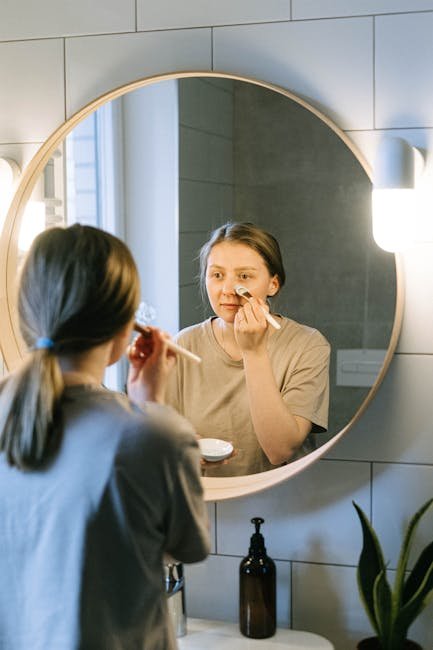
Understanding the Science of Aging Skin and Serum Efficacy
The pursuit of youthful skin is deeply rooted in understanding the biological processes behind aging. Skin aging is multifaceted, stemming from intrinsic factors like genetics and hormonal changes, and extrinsic factors such as UV radiation, pollution, and lifestyle choices. These factors trigger a cascade of events, including a decline in collagen and elastin production, reduced cellular turnover, and increased oxidative stress. Consequently, the skin loses its firmness, elasticity, and radiance, leading to wrinkles, fine lines, age spots, and overall dullness.
Anti-aging serums, formulated with potent active ingredients, aim to counteract these age-related changes at a cellular level. Their lightweight, concentrated formulas allow for deeper penetration into the skin compared to heavier creams, delivering targeted benefits. The effectiveness of a serum hinges on its formulation, concentration of active ingredients, and the delivery system that ensures these ingredients reach the intended target cells. Key ingredients to look for include retinoids, peptides, antioxidants, growth factors, and hyaluronic acid, each playing a distinct role in rejuvenating the skin.
Retinoids: The Gold Standard for Anti-Aging
Retinoids, derivatives of Vitamin A, are widely regarded as the gold standard in anti-aging skincare. Their efficacy is backed by extensive scientific research demonstrating their ability to stimulate collagen production, accelerate cellular turnover, and reduce the appearance of fine lines and wrinkles. Retinoids work by binding to retinoic acid receptors (RARs) in skin cells, which then regulate gene expression related to cell growth, differentiation, and collagen synthesis.
The retinoid family includes various forms, ranging from prescription-strength tretinoin (Retin-A) to over-the-counter retinol, retinaldehyde, and retinyl esters. Tretinoin is the most potent form but can also cause significant irritation, including redness, dryness, and peeling. Retinol, a less potent precursor, is converted to retinoic acid in the skin, making it a more tolerable option for many. Retinaldehyde offers a balance between efficacy and tolerability. Retinyl esters are the mildest form and are often used in formulations for sensitive skin.
When incorporating retinoids into your routine, start with a low concentration and gradually increase the frequency and strength as your skin tolerates it. Apply it at night, as retinoids can increase photosensitivity. Always pair it with a broad-spectrum sunscreen during the day to protect your skin from UV damage. Look for serums with encapsulated retinol for a slow-release effect, minimizing irritation. Examples of top-rated retinoid serums include:
- SkinCeuticals Retinol 1.0: A potent retinol serum ideal for experienced users.
- The Ordinary Granactive Retinoid 2% Emulsion: A gentler option suitable for beginners.
- Medik8 Crystal Retinal: Utilizes retinaldehyde for enhanced efficacy with reduced irritation.
Peptides: Building Blocks for Firmer Skin
Peptides are short chains of amino acids, the building blocks of proteins like collagen and elastin. They act as messengers, signaling to skin cells to perform specific functions, such as producing more collagen or repairing damaged tissue. Different peptide types target different aspects of skin aging.
- Matrixyl (Palmitoyl Pentapeptide-4): One of the most well-researched peptides, Matrixyl stimulates collagen production, improving skin firmness and reducing wrinkles.
- Copper Peptides: Enhance wound healing, stimulate collagen and elastin synthesis, and possess antioxidant properties. They also help to remove damaged collagen and elastin from the skin.
- Argireline (Acetyl Hexapeptide-8): Works by inhibiting the release of neurotransmitters that cause muscle contractions, reducing the appearance of expression lines, similar to Botox.
Peptide serums are generally well-tolerated and can be incorporated into both morning and evening skincare routines. Look for serums containing a blend of different peptide types for comprehensive anti-aging benefits. Some excellent peptide serum options include:
- The Ordinary Buffet + Copper Peptides 1%: A comprehensive peptide serum with added copper peptides.
- Dr. Dennis Gross C+ Collagen Deep Cream: While a cream, it contains a high concentration of peptides.
- Revision Skincare Revox 7: Specifically targets expression lines with a blend of peptides.
Antioxidants: Shielding Skin from Environmental Damage
Antioxidants are molecules that protect skin cells from damage caused by free radicals, unstable molecules that contribute to premature aging. Free radicals are generated by environmental stressors like UV radiation, pollution, and smoking. Antioxidants neutralize these free radicals, preventing them from damaging collagen, elastin, and DNA.
Key antioxidants to look for in anti-aging serums include:
- Vitamin C (Ascorbic Acid): A potent antioxidant that brightens skin, stimulates collagen production, and protects against UV damage. L-Ascorbic Acid is the most potent form, but can be unstable. Look for stabilized forms like Magnesium Ascorbyl Phosphate or Sodium Ascorbyl Phosphate.
- Vitamin E (Tocopherol): A fat-soluble antioxidant that protects cell membranes from damage and enhances the efficacy of Vitamin C.
- Resveratrol: A polyphenol found in grapes and berries, Resveratrol has antioxidant and anti-inflammatory properties.
- Green Tea Extract: Rich in polyphenols, green tea extract protects against UV damage and reduces inflammation.
- Ferulic Acid: Enhances the stability and efficacy of Vitamin C and Vitamin E.
Antioxidant serums are best applied in the morning under sunscreen to provide all-day protection against environmental aggressors. Some popular antioxidant serum choices are:
- SkinCeuticals C E Ferulic: A cult-favorite Vitamin C serum with Vitamin E and Ferulic Acid.
- Timeless Skin Care 20% Vitamin C + E Ferulic Acid Serum: A more affordable alternative to SkinCeuticals.
- Paula’s Choice C15 Super Booster: A concentrated Vitamin C serum with antioxidants and peptides.
Growth Factors: Stimulating Cellular Regeneration
Growth factors are naturally occurring proteins that stimulate cellular growth, proliferation, and differentiation. In skincare, growth factors can help to repair damaged skin, stimulate collagen production, and improve skin texture and elasticity. They work by binding to receptors on skin cells, triggering intracellular signaling pathways that promote cell regeneration and repair.
Growth factor serums are often derived from plant or animal sources, or produced synthetically. While effective, it’s crucial to choose reputable brands with rigorous testing to ensure safety and efficacy. Look for serums that list the specific growth factors used and their concentration. Examples include:
- SkinMedica TNS Advanced+ Serum: Contains a potent blend of growth factors to improve skin texture, tone, and elasticity.
- Neocutis Bio Serum Firm Rejuvenating Growth Factor Treatment: Utilizes processed skin cell proteins (PSP) to stimulate collagen production.
Hyaluronic Acid: Hydration for Plumper Skin
Hyaluronic acid (HA) is a naturally occurring humectant, meaning it attracts and retains moisture from the environment, drawing it into the skin. It can hold up to 1000 times its weight in water, making it an incredibly effective hydrating ingredient. Hyaluronic acid helps to plump up the skin, reducing the appearance of fine lines and wrinkles, and giving the skin a dewy, youthful glow.
While technically not an “anti-aging” ingredient in the sense of stimulating collagen production, proper hydration is crucial for maintaining healthy, youthful-looking skin. Dehydrated skin is more prone to wrinkles and fine lines.
Hyaluronic acid serums are suitable for all skin types and can be used both morning and evening. Look for serums containing different molecular weights of hyaluronic acid to penetrate different layers of the skin. Examples of popular hyaluronic acid serums include:
- The Ordinary Hyaluronic Acid 2% + B5: An affordable and effective hyaluronic acid serum.
- SkinCeuticals H.A. Intensifier: Contains a high concentration of hyaluronic acid and Proxylane to boost skin hydration.
- Paula’s Choice Hyaluronic Acid Booster: Can be used alone or mixed with other serums or moisturizers.
By understanding the science behind skin aging and the specific actions of these key ingredients, you can choose the best anti-aging serums to address your individual skin concerns and achieve a more youthful, radiant complexion. Remember to patch test new products and consult with a dermatologist for personalized advice.